Underground Economy

Underground economy thrives in crisis

Apr 14, 2020 | 2:07 PM

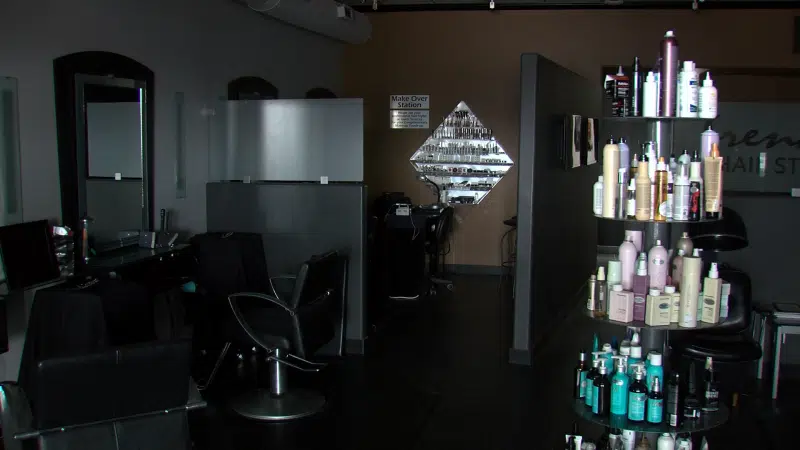
PRINCE GEORGE – Trend Setters Hair Salon and Day Spa is dark today. It has been since March 18, when an order came from the Provincial Health Office, closing hair salons amongst other things.

That’s also the day owner Craig Landon haad to lay of the business’s 13 employees.

“It’s been a month today. Pretty gut-wrenching because I wasn’t sure how long this was going to last,” says Landon. “And, of course, there is no end in sight at this point.”

It’s circumstances like that in which the underground economy kicks into high gear.

“An underground economy is any kind of economic activity that you don’t report to the government,” explains Charles Scott, who teaches Business at UNBC. “So when the plumber comes over and says ‘Well, the price is this unless you’re going to look for a receipt. In which case it’s that.’ The minute they have to report it and pay taxes on it, it’s an above ground, observable economy. Observable to government and, therefore, taxable.”

Because of its very secret nature, he says it’s impossible to put a dollar figure to how big the underground economy is, but in Italy, it represents roughly 30 per cent of that country overall economy.

And, in times of crisis, it only gets bigger.

Landon says he still gets calls from customers wanting a cut and style. He says he doesn’t have it in him to try opening his doors.

“I’m sure home salons would be much more inclined because you only deal with one client at a time. They can space out their clients to much greater distances. But they’re still putting themselves at risk.”

He hopes that, if everyone plays by the rules, he and others can open their doors sooner rather than later.