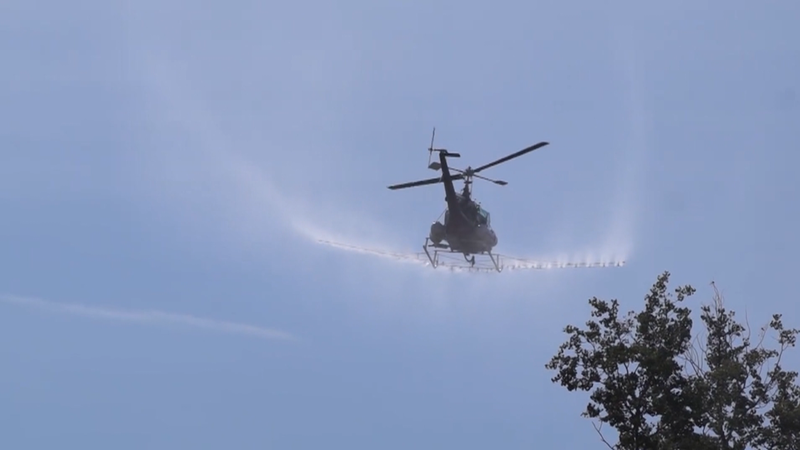
Glysophate research gets a boost
-
Share on Facebook
-
Share on Bluesky
-
Share on X
- Copy Link
PRINCE GEORGE – A UNBC research who has done extensive research in the field of forestry in the past is tackling a hot-button issue in this region: The use of a herbicide called glysophate, which is used to kill broadleaf plants and trees, leaving behind only coniferous trees. Forest companies have used the herbicide for years.
Now, Dr. Lisa Wood is going to study the long-term ecological impacts of its use.
“Since glyphosate-based herbicides have been used for decades in B.C. forests, and largely in the Interior and Northern portions of the province, and due to the importance of forests to our regional land-base, UNBC is the perfect centre for this type of research,” she says. “The local community is very interested in the topic, and many organizations are keeping close tabs on what my lab is up to.”
One of those who will be keeping a close eye on the research is the MLA’s for the riding in which the herbicide is predominantly used: the Prince George Timber Supply area.
