Drinking, marijuana and overconfidence may lead to more water related accidents: BC Hydro Survey
-
Share on Facebook
-
Share on Bluesky
-
Share on X
- Copy Link
VANCOUVER—A BC Hydro report has found that drinking, being under the influence of marijuana, and overconfidence may lead to an increase in drowning or near-drowning incidents at its recreation sites.
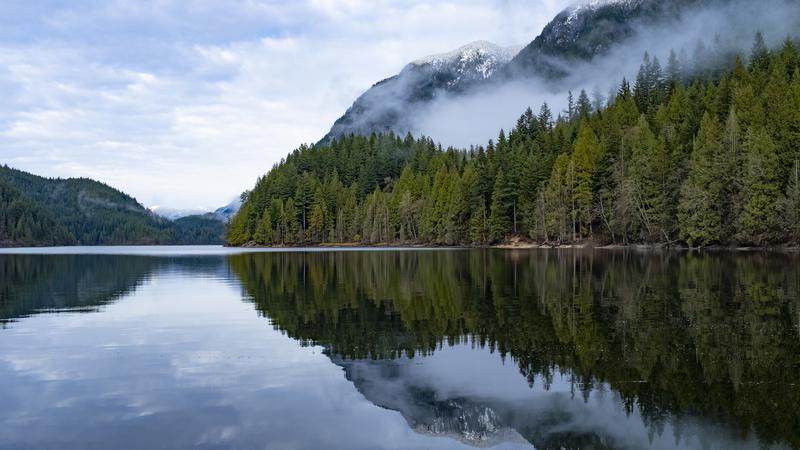
The report titled, Risk and Recreation: British Columbians not as prepared for the water as they think, finds that the two drownings that took place at Buntzen Lake recreation site, in Anmore B.C., north of Coquitlam, B.C., were the first in over a decade.
The survey identified that most British Columbians overestimate their abilities with 85 per cent of those surveyed saying they were experienced swimmers; however, most are only in the water a few times each summer. Close to 30 per cent of people surveyed say they have had a near drowning experience and 53 per cent say they have witnessed someone in the water in distress.
Close to half of those surveyed say that they have gone into water while under the influence of alcohol or marijuana and many admit to not wearing a personal floatation device when partaking in water activities.
