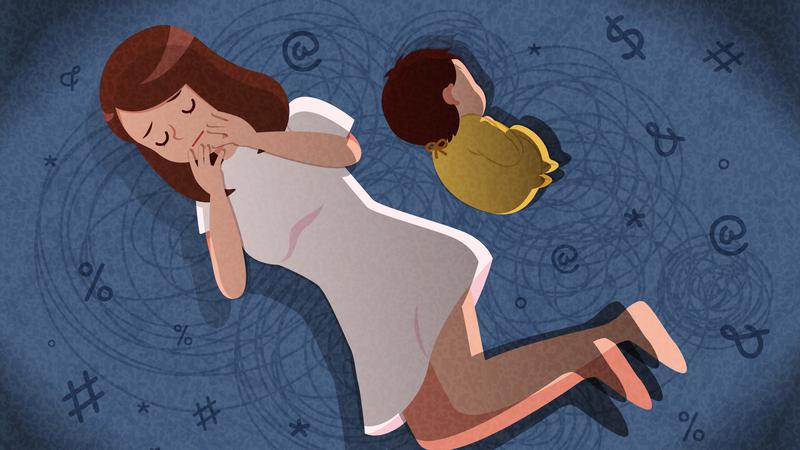
Photo Courtesy: ID 141364835 © Lin Shao Hua | Dreamstime.com
postpartum depression and anxiety

‘Mothers are not meant to do this alone,’ TYH: Postpartum Depression and Anxiety

Sep 22, 2020 | 8:00 AM

Postpartum—It’s the point in time in a parents journey of giving birth up to a year after doing so.

Postpartum Depression and Anxiety—Well, that is depression and anxiety that occurs at any point in that first year after giving birth.

Randi Parsons, Regional Nursing Lead for Maternal, Infant,Child with Northern Health says that an average of 16 per cent of women suffer from postpartum depression and anxiety. Parsons adds that due to the stigma that can surround the topic, that number may vary, but mentions that we are at a point in time where speaking about our mental health is no longer so poorly looked upon.

“I think we have come to a place in time in society where we’re now talking about mental health, we’re openly having these dialogues…there’s mental health awareness days and weeks.”—Randi Parsons, Regional Nursing Lead for Maternal, Infant, Child, Northern Health

There can be many caused for postpartum depression and anxiety such as a feeling of loss of identity or external reasons such as a bad romanic relationship or relationships in general, mourning of a loved one, inadequate support and even lack of sleep.

Self care is something Parsons says is crucial for any new parent and shared an acronym to help new parents make self care a priority: NESTS.

N- Nutrition. Remembering to fuel your body and fueling it with nutritious foods, not only for your wellbeing but for your baby’s aswell.

E- Exercise. Getting out for a walk or simply getting fresh air can help a parent’s mental health.

S- Sleep and Rest. Taking naps throughout the day and ensuring you’re as well rested as can be.

T- Time for self. Finding alone time whether it’s taking a hot showering alone, folding laundry and catching up on chores or when you’re exercising.

S- Support. Finding the right support for you, whether that’s family, friends or even that of a health care provider.

“It’s so important to reach out for help, mothers are not meant to do this alone.”—Randi Parsons, Regional Nursing Lead for Maternal, Infant, Child, Northern Health

New parents who may not have a primary health care provider can use provincial supports such as dialing 8-1-1 and speaking with health care practitioner to find specific resources, or even contacting the Pacific Postpartum Support Society (PPSS) via call or text. PPSS is made up of parents who’ve been through Postpartum depression and anxiety and are looking to help others cope.

“These are treatable conditions and when support is in place women can move through them,” adds Parsons.