Addressing Racism

‘Widespread and insidious problem’ of racism towards Indigenous peoples in health care system

Nov 30, 2020 | 1:30 PM

VICTORIA – Mary Ellen Turpel-Lafond launched her investigation and review of the province’s healthcare system back in June, and in that time she heard from over 9,000 people.

Indigenous people in British Columbia are exposed to widespread racism that often results in negative experiences at the point of care, inequitable medical treatment, physical harm and even death.

In the review, while there was no evidence to substantiate the allegation that the “Price is Right” game was being played with healthcare workers guessing Indigenous patients levels, such as blood-alcohol levels, the review found a much more widespread and insidious problem, and a lack of cultural safety and hundreds of examples of prejudice and racism throughout the entire B.C. health care system.

The review had nearly 9,000 respondents. Of those, 2,780 respondents identified themselves as being Indigenous. 5,440 respondents who were surveyed identified themselves as being a healthcare worker.

  • 84% of Indigenous respondents reported some form of discrimination in health care
  • 52% of Indigenous health care workers reported personally experiencing racial prejudice at work – the majority in the form of discriminatory comments by colleagues;
  • More than one-third of non-Indigenous health care workers personally witnessed racism or discrimination directed to Indigenous patients;
  • 13% of (531) health care workers made racist comments in the survey;
  • Among top reported reasons why racism persists: employees not willing to speak up; lack of accountability by leadership to stop discriminatory behaviour.

“Indigenous people and health-care workers have spoken clearly – racism is an ugly and undeniable problem in BC health care that must be urgently addressed,” said Turpel-Lafond. “This report provides a blueprint for fundamental changes to beliefs, behaviours and systems that are necessary in order for us to root out racism and discrimination and ensure that the basic human rights of Indigenous people to respect, dignity and equitable health care are upheld.”

Back in June 2020, Minister of Health Adrian Dix launched the Addressing Racism Review following allegations of an organized ‘Price is Right’ game involving guessing Indigenous patients’ blood alcohol levels in hospital emergency rooms.

A detailed examination of those allegations found no evidence of an organized game occurring as originally depicted. The review did find anecdotal and episodic evidence of multiple activities, but none of them could be described as organized, widespread or targeting only Indigenous patients.

“Nevertheless, our review found clear evidence of a much more widespread and insidious problem – a lack of cultural safety and hundreds of examples of prejudice and racism throughout the entire BC health-care system,” Turpel-Lafond said.

She did say that it doesn’t mean every Indigenous person who gets health care will experience direct or indirect racism, but it does mean that any Indigenous person could experience it.

More than two-thirds of Indigenous respondents to the review’s Indigenous Peoples’ Survey said they had experienced discrimination based on their ancestry – and only 16% reported “never” having been discriminated against – while accessing health care. More than one-third of non-Indigenous respondents to the Health Care Workers’ Survey reported having witnessed interpersonal racism or discrimination against Indigenous patients or their families and friends.

Many of the more than 600 email and telephone submissions featured people expressing deep frustration over experiencing racist treatment and the lack of accountability by the health system for these incidents. These included patients and family members being negatively stereotyped in a multitude of ways, resulting in unacceptable personal interactions, poorer quality care and medical mistakes, and sometimes leading to future avoidance of treatment. The review also revealed widespread dissatisfaction of Indigenous people with the various health-care complaints systems and the lack of a comprehensive training program and on-the-job education for health-care workers on anti-racism, cultural safety and humility.

The review examined health utilization and outcome data of approximately 185,000 First Nations and Métis patients; data showing that racism limits access to medical treatment and can negatively affect the health and wellness of Indigenous peoples. In particular, the review found that Indigenous women are disproportionately impacted by racism in health care and that racism contributes to Indigenous people being disproportionately affected by the current public health emergencies of COVID-19 and the overdose crisis.

“The report shows racism at an individual and systemic level. Racism has made BC’s healthcare system an unsafe place for many Indigenous people to access services and the care they need,” said Health Minister Dix.

The review recommends that the Province establish three key new positions to provide leadership on the issue:

  • a B.C. Indigenous health officer;
  • a B.C. Indigenous health representative and advocate; and
  • an associate deputy minister of Indigenous health.

“I want to make an unequivocal apology as the Minister of Health to those who have experienced racism in accessing healthcare services in British Columbia now and in the past,” said Dix. “My apology today is an acknowledgement of the pain that Indigenous people have worn from racism – it is a first step, however. I will recommend to the premier that we sit down immediately to workout our government’s response to meet the reports’ first recommendation.”

As an immediate step, Dix announced five new Indigenous health liaisons are being hired in all health authorities in BC. The ministry has been directed to review medical staff bylaws to consistent standards.

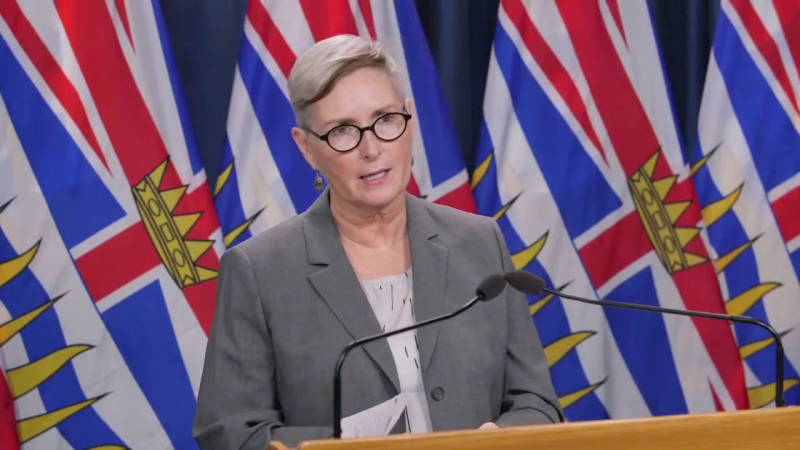
Turpel-Lafond said she is ‘very pleased’ in the apology from Dix, as well as his launching of a complete review of the province’s health care system. She added it’s up to Indigenous people whether they accept that apology, further saying, “today is the beginning.”

Among other recommendations, the report is calling for the Ministry of Health to establish a senior-level policy and accountability table with Métis Nation BC (MNBC) and direct health authorities to enter into letters of understanding with MNBC and Métis Chartered Communities; for government to work with Indigenous organizations to improve the system’s patient complaint processes to address individual and systemic Indigenous-specific racism; for the development of a new approach to cultural safety and humility training for B.C. health-care workers; and for a new school of Indigenous medicine at the University of British Columbia.

“It’s critical that all Indigenous people feel safe when getting health care,” Turpel-Lafond said. “We know that eliminating racism requires humility, anti-racist mindsets and tools, and human rights approaches. And I recognize that we must take steps to foster a speak-up culture where people can raise and address these issues without retribution.

“We all have vital roles to play in confronting this historic legacy and creating positive change.”