Regional District ceases tire collection

Apr 13, 2022 | 3:11 PM

PRINCE GEORGE — Tires were one of the first things to be recycled, beginning in the early 1990s, well before anything else. Local governments collected tires in their landfills. Enter: Tire Stewardship BC, designed to ease the burden on local government to collect and dispose of used tires, and lay the responsibility on retailers.

But the local Regional District of Fraser Fort George took it further.

“The regional district participated, without any compensation, in continued [tire collection] for the benefits of our residents, particularly our rural residents throughout the district to keep on doing what we’re doing with the assumption to be serviced on a regular basis [by Tire Stewardship BC],” explains Petra Wildauer, the General Manager of Environmental Services for the Regional District.

But the regional district maintains is not being serviced on a regular basis, as such, as opted to cease its past practices, effective immediately.

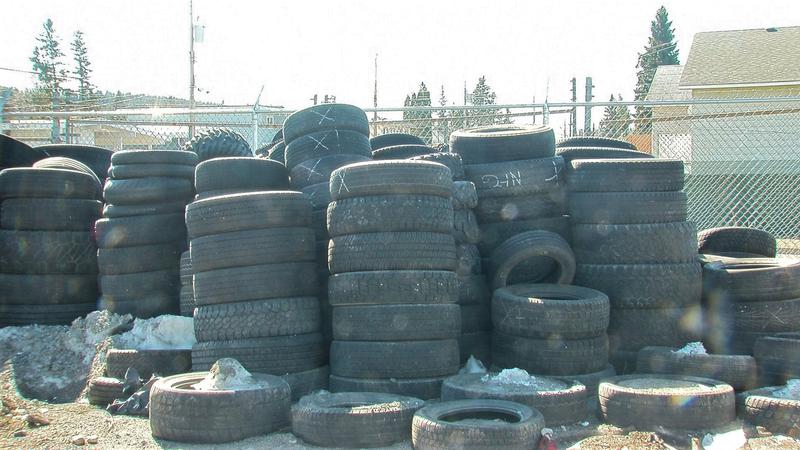
At Big O Tire, the contractor for Tire Stewardship BC was set to collect three semi-loads of tires from the compound. They had stopped at a number of other tire retailers earlier. But Owner Gerry Parker says, without the Regional District collecting, there’s an issue.

“With the compound space we have here, it just gets out of hand because the collections have been terrible. They’ve really, really been slow. I do get notifications that they’re planning to boost the collections.”

And he says other tire shops have even smaller compounds than he does.

The contractor for Tire Stewardship BC Liberty Tire was in the city this week, collecting from a number of retailers, and issued this statement:

“In an effort to increase tire collections in and around the Prince George area, we have added a second truck to service this area. We continue to work with our vendors in the area to secure as much equipment as possible to minimize interruptions to tire collections, however, due to an increased driver shortage and highway challenges delays may occur.”

Wildauer says other regional districts are having challenges with used tire collection from their landfills, but this region is different.

“As the majority of recycling facilities are down south, it is a bigger issue in the central and northern rural settings because there are fewer retailers and there are longer hauling distances. On and on it goes. The usual “recycling issues” apply to the tires as well.”

Parker’s concern is that, with limited tire collection, those used tires will wind in popular illegal dumping sites, which defeats the whole purpose of the recycling program.