Randi-Marie Adams

Prince George Advocates weigh in on “Roe v. Wade” decision

Jul 8, 2022 | 5:06 PM

PRINCE GEORGE – On June 24, the US Supreme court overturned the Roe v. Wade decision, and the right to choose was taken away for many women across the United States.

There is a fear this could happen here in Canada, and many women’s rights activists, are once again fighting for their voices to be heard.

ROE V. WADE History;

“Roe v. Wade, was a landmark decision of the U.S. Supreme Court in which the Court ruled that the Constitution of the United States generally protects the liberty to choose to have an abortion. The decision struck down many federal and state abortion laws,[2][3] and fueled an ongoing abortion debate in the United States about whether, or to what extent, abortion should be legal, who should decide the legality of abortion, and what the role of moral and religious views in the political sphere should be. The decision also shaped debate concerning which methods the Supreme Court should use in constitutional adjudication.”

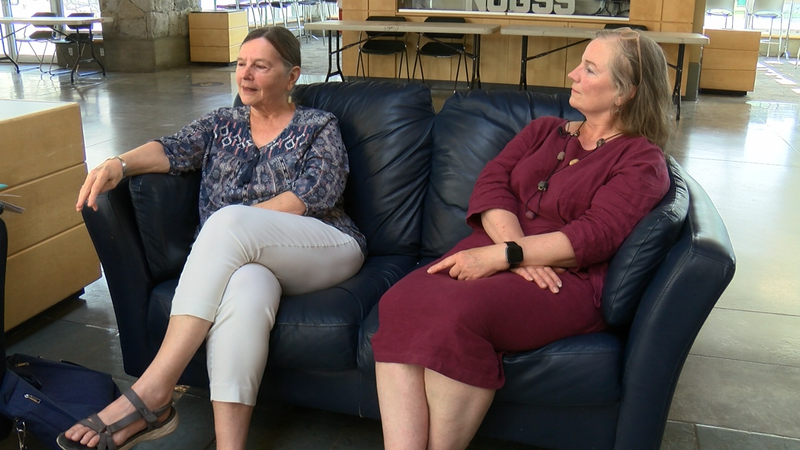
This Roe V. Wade decision will have a wave of ramifications across the states for years to come. In Canada, Dawn Hemmingway was one of many pioneers who helped lead the way for change when it came to women’s rights. She worked alongside many advocates including Dr. Henry Morgentaler.

“I come out of the women’s movement in the sixties and the student movement and the political movements. It was a very topsy-turvy time.”

Hemingway traveled across Canada and advocated strongly for the right to choose and women’s rights in general.

“We had sent letters to the Prime Minister at that time, Trudeau. But the other Trudeau, his dad, [sic]to the Minister of Health, Justice Minister, and essentially they all refused to meet with us,” explains Hemingway. “And so, we went to the Prime Minister’s residence. We had all sorts of actions in Ottawa, and then finally decided that we were going to organize a big action around the flame in the Eternal Flame at [that was] outside the House of Commons.”

1988 Abortion Law Overturned;

“Formally banned in 1869, abortion would remain illegal in Canadian law for the next 100 years.[9] In 1969, the Criminal Law Amendment Act, 1968-69 legalized therapeutic abortions, as long as a committee of doctors certified that continuing the pregnancy would likely endanger the woman’s life or health.[9] In 1988, the Supreme Court of Canada ruled in R. v. Morgentaler that the existing law was unconstitutional, and struck down the 1969 Act.[10] The ruling found that the 1969 abortion law violated a woman’s right to “life, liberty, and security of the person” guaranteed under Section 7 of the Canadian Charter of Rights and Freedoms established in 1982.”

Hemmingway says, the battle is ongoing and that conversations need to continue so that rights aren’t striped away from women again.

Dr. Jacquekine Holler, who is an Associate Professor at UNBC in the Department of History, Women’s Studies and Gender Studies said there are still many struggles for women in the rural areas, including in Northern BC.

“Particularly concerning because there are economic issues involved, there are issues of time sensitivity involved in seeking an abortion. So you know, I’ve been concerned about that inequity for years, and I remain concerned about that. And so, maybe one of the good things that are going to come out of this is that we start paying attention to how unevenly distributed those services are and say, hey, 70% of Canadians support a woman’s right to choose.”