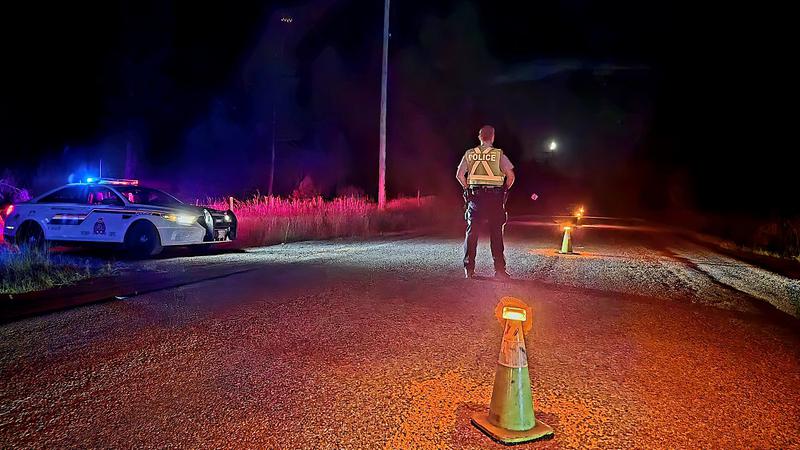
Photo courtesy: BC Highway Patrol
Impaired driving

Hundreds of drivers removed from road during Summer Impaired Driving Campaign

Sep 8, 2025 | 10:12 AM

PRINCE GEORGE — Impaired drivers, especially those in north and central British Columbia, kept BC Highway Patrol busy during their 2025 Summer Impaired Driving Campaign.

From June 15 to August 31, BC Highway Patrol took 626 impaired drivers off the road.

Considering the smaller population, northern half of B.C. continues to have the highest total of driving prohibitions, criminal charges, and drug prohibitions.

  • Northern BC: 146 (11 were detected impaired by drugs)
  • Metro Vancouver, Sea to Sky, and eastern Fraser Valley: 150
  • Vancouver Island: 131 (15 were detected impaired by drugs)
  • Central BC: 111
  • Kootenay region: 88 (31 were detected impaired by drugs)

“This year’s Summer Impaired Driving Campaign is a graphic illustration of why we all need to do better staying sober while driving,” says Superintendent Mike Coyle, Operations Officer of BC Highway Patrol. “Impaired driving is the leading cause of criminal death in BC. It’s simply unacceptable to think that it’s OK to drive while impaired by alcohol or drugs.”

Throughout the province, BC Highway Patrol has been expanding the application of Mandatory Alcohol Screening (MAS). MAS allows police officers to demand an immediate breath sample, under section 320.27(2) of the Canadian Criminal Code, from any driver who is lawfully stopped. There is no longer any need to develop a reasonable suspicion that a driver has alcohol in their system, and the entire process can be done in less than two minutes. Drivers who refuse the breath demand are committing a criminal offence that leads to penalties similar to impaired driving charges.

BC Highway Patrol says the purpose of MAS is:

  • To stop drivers who choose to drive while impaired. Everyone needs to know that police can test any driver during any traffic stop;
  • To detect impaired drivers who do not show obvious signs of intoxication;
  • To reduce alcohol-related crashes, injuries and deaths. In other words, to keep you and your loved ones safe on our roads.