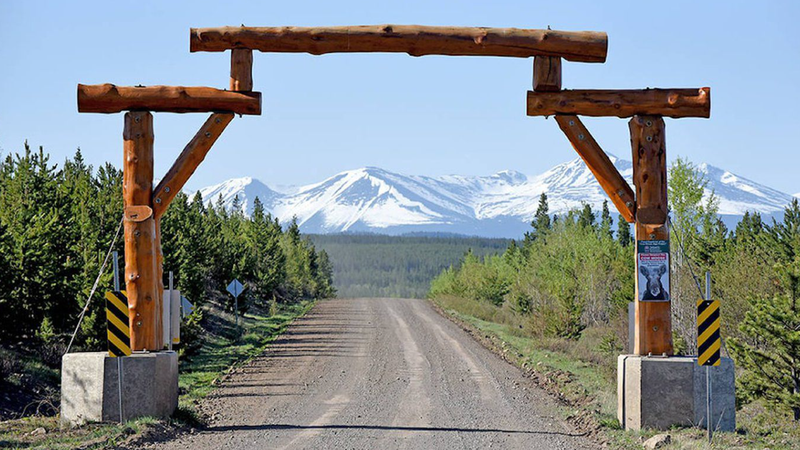
The Tŝilhqot’in Nation is the first in Canada to win a court declaration of Aboriginal title which it says does not interfere with private property. (Image Credit: Angie Mindus/Williams Lake Tribune via LJIA)
Land Title

Tŝilhqot’in nation calls B.C. out on misinformation about Aboriginal title

Nov 8, 2025 | 10:02 AM

WILLIAMS LAKE, B.C. — The Tŝilhqot’in National Government (TNG) is calling on governments to set the facts straight around Aboriginal title and to stop what it calls fear-mongering.

“It’s been working well, it’s been happening for 11 years…I don’t know why B.C. is not coming forward and sharing those facts” said Jenny Philbrick, executive director of the TNG, about the nation’s own declaration of title.

The Tŝilhqot’in Nation is the first in Canada to win a court declaration of Aboriginal title when, in 2014, the Supreme Court of Canada recognized their rights to control and decide how to use 1,900 square kilometres of land within Xeni Gwet’in territory, one of six communities governed by TNG.

Philbrick said frameworks were developed to facilitate the process, so that recreation sites, provincial parks and campgrounds within their Title Area could remain open, and tenure holders could continue to own, sell and mortgage their own private properties.

Yet, as other nations such as the Cowichan Tribes (Quw’utsun Nation) are seeking control over their own traditional and unceded territories, Philbrick said assumptions are being made that paint declarations of title as a threat, fueling misinformation which TNG said the government is not addressing. In fact, TNG alleges Premier Eby and Opposition Leader John Rustad are part of the problem, “playing politics” and “generating fear and misinformation” about Aboriginal title.

“The Tŝilhqot’in Nation, with a court declaration of Aboriginal title, has never targeted private property and has no intention of doing so. Private lands were excluded from the declaration of title,” reads a Nov. 6 press release from the TNG. In an Oct. 27 press release, the Quw’utsun Nation shared a similar statement.

“To be clear, the Quw’utsun Nation’s court case regarding their settlement lands at Tl’uqtinus in Richmond has not and does not challenge the effectiveness or validity of any title held by individual private landowners. The ruling does not erase private property,” reads the release.

Within days of the Quw’utsun Nation’s title case win on Aug. 7, B.C.’s Attorney General Niki Sharma announced the government intended to file a stay and to appeal the Supreme Court of B.C.’s decision, which it has since done, alleging the title win raises concerns for property owners.

Philbrick said these kinds of responses go against all the reconciliation work they have done.

“Indigenous people are not trying to kick anybody out of their house or land, we know how it feels,” Philbrick said, adding she wished the province would communicate and work together with First Nations rather than having to start from scratch each time a nation declares title.

“It can be done,” Philbrick said of other nations achieving Aboriginal Title in a way which respects everyone’s interests.

“Premier Eby knows how it’s been going in a positive way,” Philbrick said, referring to the implementation of Tŝilhqot’in title. “We just want him to double down and say this is a good thing.”

In a statement sent to Black Press, Spencer Chandra Herbert, minister of Indigenous Relations and Reconciliation, said the government will continue to work with First Nations through Treaty, reconciliation, and other agreements while ensuring transparency and collaboration with all British Columbians.

“We are committed to respecting First Nations rights, and ensuring certainty for property owners, because it increases shared prosperity for all, and helps us reconcile a past where governments refused to make Treaties with Nations and find a better path together,” Herbert wrote. “First Nations have strong governments with continuing rights. That’s not up for debate. The law has been clear for decades – it is our responsibility to work together. None of us are going anywhere.”

Meanwhile, Rustad and the BC Conservatives’ Deputy Critic Scott McInnis have called for a pause on all Aboriginal title deals until the Cowichan appeal is resolved, claiming Eby is working in secrecy in such negotiations which they suggest could affect private properties.

The TNG also raised the provincial government’s Bills 14 and 15, as well as Rustad’s call to repeal the Declaration on the Rights of Indigenous Peoples Act, as a direct threat to Indigenous human rights, safety and security.

“Time and again, First Nations have shown care and respect for the private property of our neighbours, even when those lands were wrongly taken from us in the past,” said Nits’ilʔin (Chief) Otis Guichon, TNG tribal chief. “Those that lead with fear aren’t looking for things to improve — they just want to score easy political points at the expense of the most marginalized and vulnerable people in this province,” he added, calling on everyone to lead in a respectful and positive way.

Black Press has reached out to the BC Conservatives for comment but has received no response.

– With files from Mark Page.