Old-growth

Conservation North accuses Premier Eby of mixed messages on old-growth logging

Dec 8, 2025 | 3:32 PM


PRINCE GEORGE – Conservation North is calling out Premier David Eby for what they see as inconsistencies in his stance on old-growth logging. They highlight his opposition to logging old-growth forests to keep a Vancouver Island pulp mill running, while remaining quiet about the ongoing old-growth logging happening in the northern regions.

Recently, Premier Eby stated that the province will not permit the logging of old-growth forests to prolong the operation of a Vancouver Island pulp mill, asserting that pulping old-growth trees is not a viable solution. 

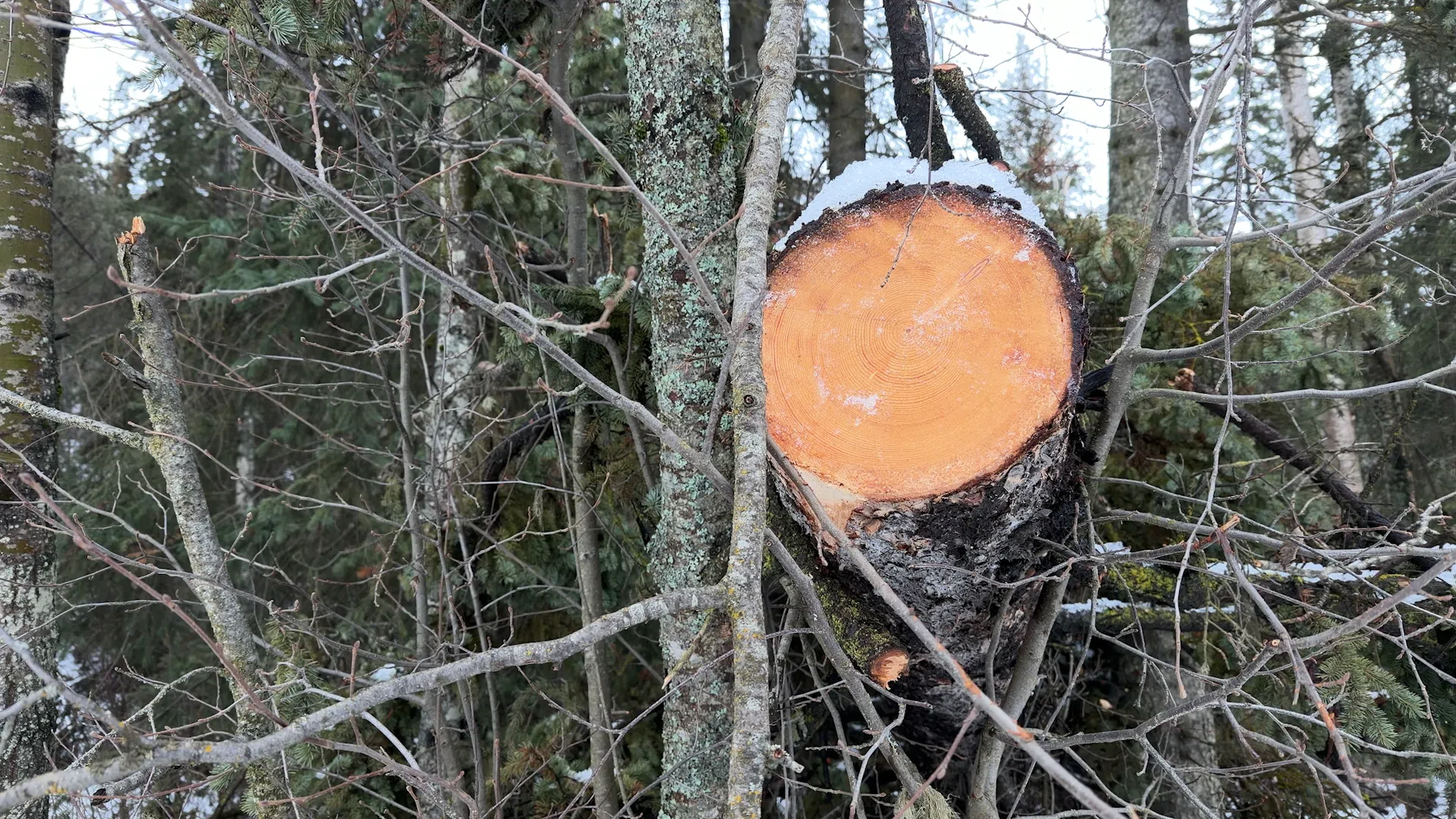
However, Conservation North argues that this issue extends well beyond Vancouver Island. They point out that in central B.C., nearly all the wood supplied to pulp and pellet mills still comes from primary forests, including old-growth areas.

“We just wanted to make sure that he was aware that old growth goes into the mills here. And, we’re concerned about the double standard.”  Says Michelle Connonlly with Conservation North

Organizations like Conservation North contend that years of aggressive harvesting have put both forests and wildlife at risk. They’re pushing for a transition toward second-growth logging to help protect the remaining old-growth forests from further decline.

CKPG News reached out to the Ministry of Forests in B.C. for a comment, but did not receive a reply. However, reports suggest that the province is focused on stabilizing the struggling forestry sector while looking for sustainable, long-term solutions for workers and local communities. 

Meanwhile, Conservation North is advocating for a shift in the provincial approach to forest management.

In a statement sent late Monday, the provincial government released the following statement in response to this story.

“The interior of B.C. is home to a vast network of lumber sawmills, specialty wood manufacturing facilities, and pulp, paper, and pellet plants. This deeply interconnected forestry sector uses every part of the tree, making everything from sawmill-grade lumber to value-added products to paper for tissue products or packaging. This vast ecosystem in our forestry sector ensures high-value resources make high-value products. The pulp and paper sector is integral to this supply chain, buying lumber sawmill residuals, like sawdust, shavings, and chips, and harvest residuals like branches and bark, ensuring nothing goes to waste.

“The pulp and paper sector has also been leading the way in using wildfire salvaged wood and low-value timber to make valuable pulp and paper products. To support this, we have been expediating wildfire salvage opportunities and are now processing permits within a 25-day turnaround window, getting more wildfire salvaged wood into facilities like pulp and paper mills.

“Through the Forest Enhancement Society of BC, we are investing in getting more residual fibre from the bush to support a fibre supply for B.C.’s pulp and paper sector. Increasing utilization from these projects reduces slash pile burning and increases our resiliency to wildfire risks.

“Harvesting estimates show that throughout the province, harvest of old forest (250+ years in coastal and interior wet belt ecosystems and 140+ years in interior dry ecosystems) has declined by approximately 69% since 2015 and is the lowest on record. In B.C., there are 11.1 million hectares of old forests and of that 8.9 million hectares are either protected, deferred or uneconomic to harvest – that is equivalent to 80%. 

“Few places on earth can match the diversity and richness of B.C. forests, the quality of our timber or the innovation of our workers and sector. We are a world leader in managing our forests to create a sustainable natural resource-based economy for the next generations.”