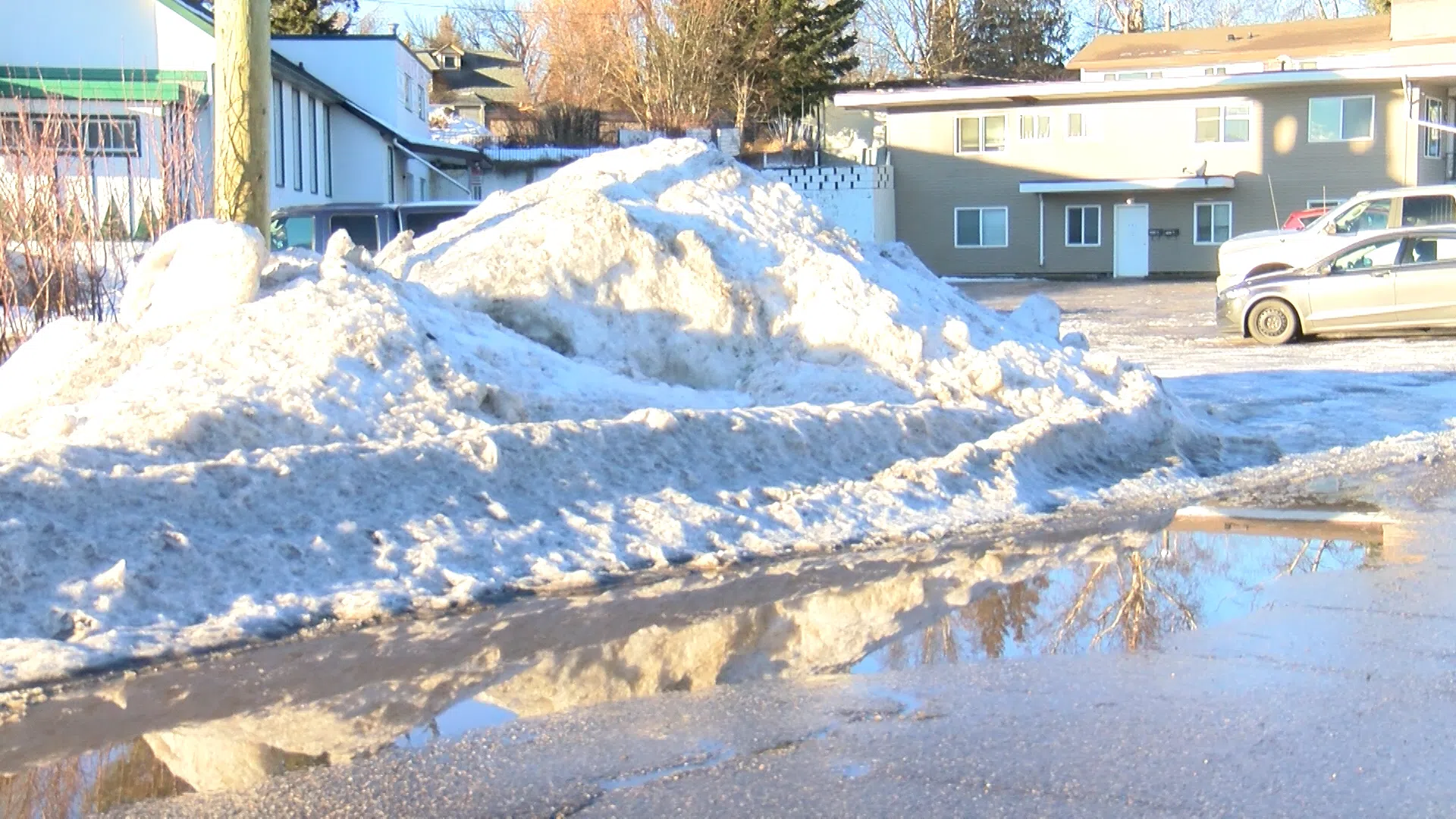
Above average temperatures are putting a strain on the City’s infrastructure
-
Share on Facebook
-
Share on Bluesky
-
Share on X
- Copy Link
Localized Flooding
PRINCE GEORGE – As temperatures in general continue to rise year after year with this past week being a prime example the issue of localized flooding has become more prevalent. This used to be a start of spring issue as temperatures would rise and with it the melted snow would lead to mass pooling of water around the city but now with increased temperatures during winter months the city’s infrastructure is taking a hard hit. The City’s asset management team has identified the areas of concerns and are hoping the City approves dedicated stormwater management funds to tackle the infrastructures issue that come with climate change.
“I think just with our historical sprawling infrastructure getting older because we never had a dedicated fund for money, we always had to be competing with other infrastructure categories within the city. If we do get the dedicated fund in place, that’s really going to set us up for success.” said City of Prince George Asset Manager Kristy Bobbie.
Though temperatures are warm during the day, night time temperatures are gradually lowering back to the norm and that can put some heavy strain on city streets and the infrastructure under it.
