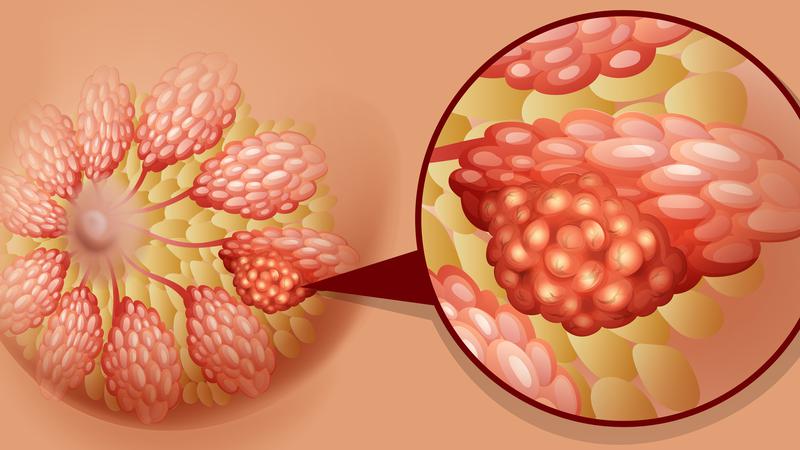
Photo Courtesy: ID 58648779 © Blueringmedia | Dreamstime.com
Breast cancer Awareness

TYH: How to cope with someone who’s been diagnosed with breast cancer

Oct 13, 2020 | 8:00 AM

The month of October isn’t just about giving thanks and spook—it is also about bringing awareness to the second most deadly cancer in women, breast cancer.

The US Centres for Disease Control explains breast cancer to be a disease in which the cells of the breast grow out of control.

“About 27,000 Canadian women will be diagnosed with breast cancer this year.”—Elizabeth Holmes, Senior Manager, Policy and Surveillance, Canadian Cancer Society

While most common in women, men can also fall ill to breast cancer. According to Holmes, less than one per cent of breast cancer cases occur in men.

Holmes mentions that breast cancer can be prevented by doing little things like taking care of yourself.

“We encourage individuals to be active, eat well, live smoke-free limit alcohol and maintain a healthy body weight.”—Elizabeth Holmes, Senior Manager, Policy and Surveillance, Canadian Cancer Society

With more than 75 people being diagnosed with breast cancer every day, it’s not hard to know someone who’s been diagnosed. “You can feel helpless when someone you know has been diagnosed with breast cancer,” said Holmes in a Zoom interview.

Holmes suggested that those with loved ones recently diagnosed with cancer look to the Canadian Cancer Society’s tips on how you can help someone with cancer.

“It really starts with the idea that it’s okay to not know what to say, but to start with listening.”—Elizabeth Holmes, Senior Manager, Policy and Surveillance, Canadian Cancer Society

Tips include, listening, not worrying about saying the wrong things, learning about your loved ones cancer, letting your loved one be sad, being specific when you offer to help, and bringing small gifts every now and then.

Holmes says that regardless the age of a woman, if something isn’t right, getting it checked out sooner rather than later is extremely important. “It might be nothing, but it could be breast cancer,” she adds.

It’s estimated that 5,000 women will die to breast cancer this year, a number that Holmes says peaked back in the 1980’s and has been on the decline ever since due to increased screening capabilities and improved breast cancer treatments.