CKPG News File Image
Colder than average

You may want to keep your pets indoors this La Niña winter

Nov 1, 2020 | 10:37 AM

PRINCE GEORGE–While temperatures are supposed to warm back up this week, it was a cold two weeks that we saw in October, a reminder that this winter will be cooler than normal.

A La Niña year is what British Columbians will get a taste of this winter. La Niña means that cooler than normal temperatures are seen in the Northwest of the globe and warmer than normal temperatures are seen in the Southeast.

“The first sign of (La Niña), the signal, is cool waters along the equator and Pacific Ocean.”–Carmen Hartt, Meteorologist, Environment and Climate Change Canada

For Prince George, this means cooler than average temperatures from late December, with the coldest month of the year being January, and continuing into February.

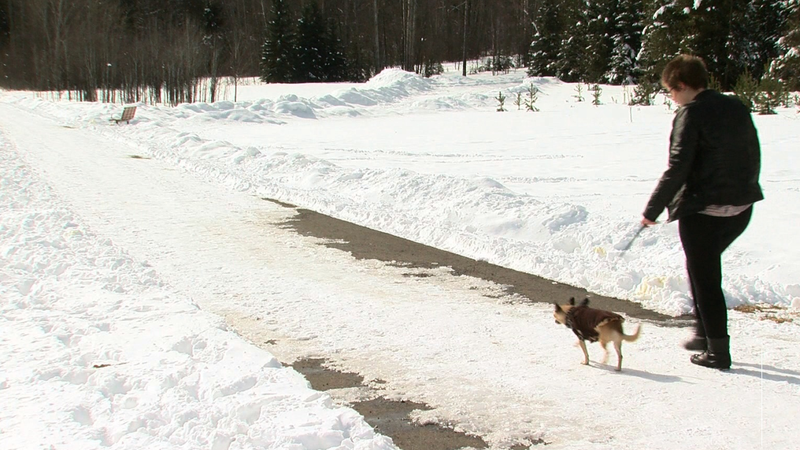
The cold temperatures are a reminder to northerners to keep an eye out on their four-legged friends.

“If it hurts your face, it’s probably too much to be going outside with your pets.”–Dr. Denise Kleywegt, Veterinarian, PG Veterinary Hospital

Being outdoors in the cold for too long can lead to hypothermia and frostbite for pets and humans.

Signs that it is too cold for your pet include, shivering, a hunched posture, alternating paws when standing, and wanting to get back inside, or be carried by their owner. So how cold is too cold for a pet?

“There’s definitely certain breeds that can be more comfortable with the cold, those double-coated breeds like Malamutes, Huskies.”–Dr. Denise Kleywegt, Veterinarian, PG Veterinary Hospital

Dr. Kleywegt says that there is no solid answer and that pet owners should consider themselves, how cold they feel, and if they’d want to be outside in that temperature, while also considering the pets breed.