Addressing racism review

In Plain Sight: Indigenous-specific Racism in B.C.’s Health Care

Feb 5, 2021 | 4:44 PM

A new report released by the B.C. government revealed widespread racism in B-C’s health care system which sheds fresh light on discrimination faced by Indigenous patients.

“As all of you will know, in June of 2020 I appointed Dr. Turpel-Lafond to lead an independent review, of indigenous specific racism in the B.C Health care system.” ~ Adrian Dix – Health Minister

The report showed Indigenous people felt unsafe in most health care settings, they had no real access to doctors and rely heavily on emergency departments, leading to unnecessary hospitalizations.

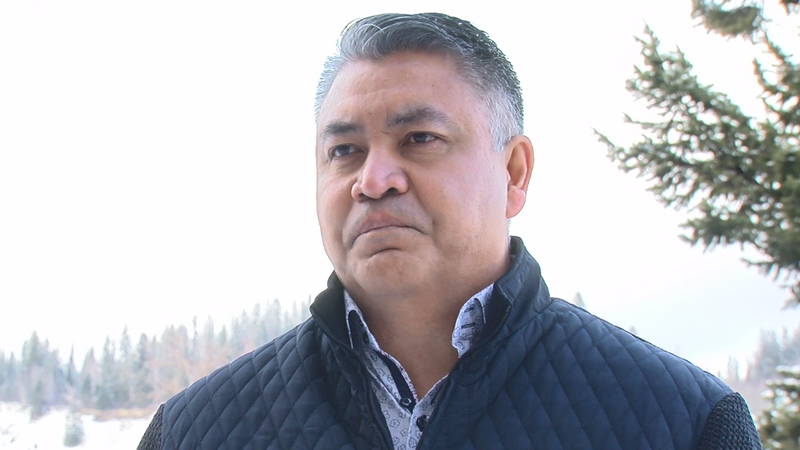
Terry Teegee who is the Regional Chief for the British Columbia Assembly of First Nations says…he has heard many complaints from across the Province.

” I have received many reports and direct messages, personal messages about treatment here in Prince George. elsewhere in Vancouver. And many other health care centers. That there has been definitely ill-treatment of indigenous peoples.”

The report looked at data collected across the healthcare system, along with a detailed analysis of more than 600 submissions from Indigenous people.

Turpel-Lafond said, that poor access has meant many Indigenous people are missing screening for preventable or treatable diseases.

“What the totality of the evidence here and the data shows in general, is that the indigenous people in British Columbia are receiving services in a health care environment that is skewed away from primary preventative care and pushes them into secondary and tertiary care and treatment. The inadequacy at this time of B.C.’s primary care system is evident”

The report continues – First Nations women were about a third less likely to receive a pap smear than non-First Nations women but had a rate of cervical cancer 1.6 times higher and they are getting less access to prenatal health services, she said, and fewer were accessing specialty maternal and obstetric services, despite higher rates of pre-term and very preterm birth.

“We have seen it more recently with the mother to be, refused service in Kitimat and rushed to Terrace and losing the baby, so you know I think there are those types of cases, where there is defiantly ill-treatment of indigenous people” ~Chief Teegee

The report concludes that First Nations, Metis, and Innuit people in the province do not have equal access to primary care and preventative services, which has translated into life-long poorer health outcomes.