Climate change is “existential”

Apr 6, 2022 | 4:17 PM

PRINCE GEORGE – It was a gathering of like-minded people on a blustering lunch hour in hopes of getting the message out about the importance of sparing old-growth forests. It’s been the message from Conservation North since its inception four years ago. And it’s based on science.

“When we started, we actually formed because we had a scientific perspective on what’s happening to the natural world. Most of us, when we got the group off the ground, have backgrounds in ecology and biology. So it’s actually founded on a scientific understanding of what’s happening to the natural environment in this region.”

“I know we’ve got other issues and problems, but THIS one is existential. That means if we don’t do something we may not be here in the future. What Scientist Rebellion is saying is that it will be in our lifetime, perhaps, when our ecosystems collapse.”

That was the message from Art Fredeen, who echoes a message from Scientist Rebellion.

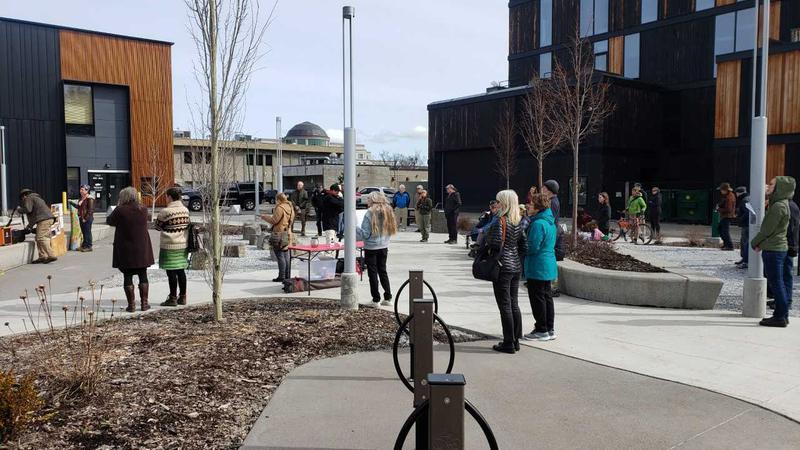
Conservation North has joined forces with Scientist Rebellion on this issue and at today’s gathering, the discussion was around climate change and how important the forests are in combatting it.

“When we look at forests, we realize they’re really important to the uptick of greenhouse gases,” says Fredeen. “The storage of carbon. And it’s our oldest forests that store the most carbon. So by removing them, we’re essentially putting that carbon into the atmosphere.”

Art Fredeen says scientists, traditionally, produce the data and hope the world understands what it means. And if often doesn’t. Scientist Rebellion hopes to change that.

“A lot of the science is complex and we’re in a very critical part of the whole system of actually creating this information and then we should also be interpreting it as best we can so that society can do something with it.”

Conservation North’s mandate seeks protection for remaining primary forests in the Inland and Boreal Rainforests, recognition of the value of a primary forest and a transition away from the industrial harvest of the primary forest. So is there ever a point when science and industry meet.

“We need to transition rapidly away from logging primary forests where you have the really big forests and towards forests that have been logging in the past with smaller diametre trees. So, in fact, our interests are actually aligned with people who believe in a really forward-looking approach to economic development here, which is one that moves away from primary and old growth forest logging.”

A primary forest is one that is disturbed naturally by things like wildfire, wind or insects, but not by logging other industrial human activities.