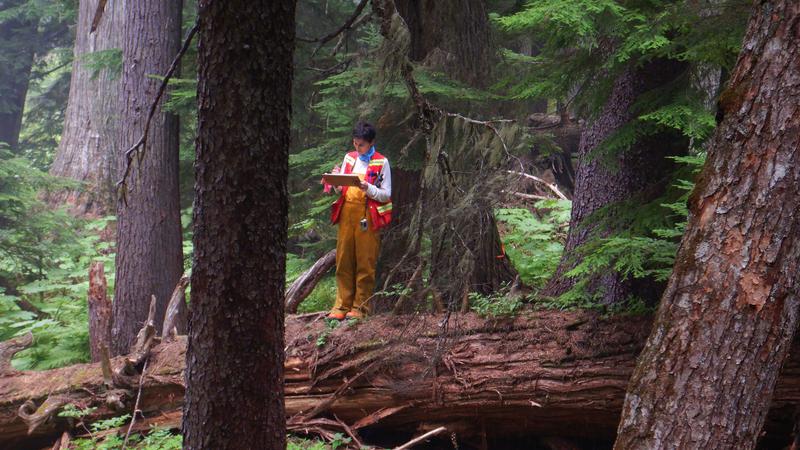
Nearly 25 per cent of Interior Wet Belt forests logged according to new study
-
Share on Facebook
-
Share on Bluesky
-
Share on X
- Copy Link
PRINCE GEORGE—A team of scientists from across the globe has published a new peer-reviewed study about the importance of protecting British Columbia’s interior wetbelt (IWB).
Scientists from the University of Northern British Columbia, Griffith University in Australia, the Conservation Biology Institute in Oregon, Wild Heritage in Oregon and Conservation North were part of the study, underscoring what they call the seriousness of BC’s emissions tied to the logging of old-growth forests.
The IWB is a largely forested area of 16.5 million hectares along the western flanks of the Canadian Rockies and northern Columbia Mountains that contains rare old-growth spruce forests.
“The region contains underappreciated carbon stocks that can help Canada meet its climate and conservation targets. In their natural state, these forests constitute an irreplaceable natural climate solution, but we’re turning them into lumber and threatening to turn them into pellets,” said Lead researcher Dr. Dominick DellaSala.
