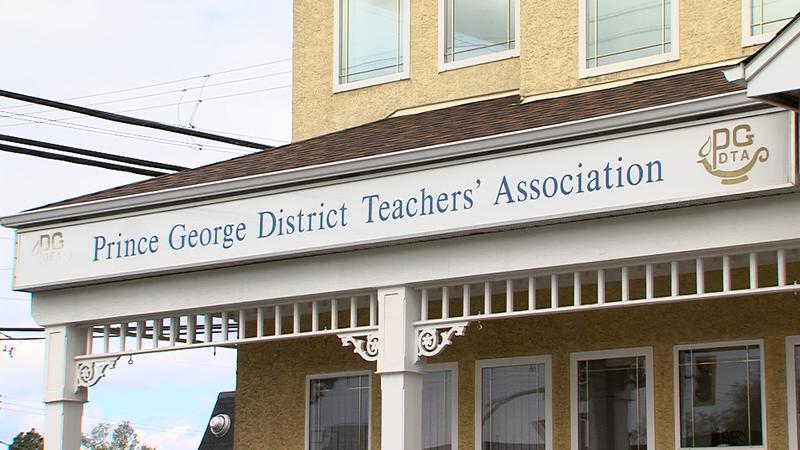
The Prince George District Teachers' Association supports educating students about the dangers of drugs, but says the Conservative Bill doesn't really change anything.
Education

PGDTA reacts to B.C. Conservative Bill calling for more education about drugs

May 8, 2025 | 4:32 PM

PRINCE GEORGE – The Conservative Party of BC has introduced a bill calling for more education in schools regarding the dangers of drugs. Named the “Drug Use Prevention Education in Schools Act,” the bill says it would introduce:

  • A mandatory anti-drug curriculum in every public and independent school, developed within six months of the bill’s passage;
  • Educational content that emphasizes the serious health, social, and legal consequences of drug use;
  • Public displays and school sessions reinforcing anti-drug messages, and
  • Annual reporting requirements to ensure compliance and transparency.

“Too many loved ones have have lost a parent, a daughter, son, a brother or a sister, to the toxic drug crisis. And as a parent myself, I want to make sure that we’re teaching our kids that these drugs are dangerous,” said Conservative MLA for Prince George Mackenzie Kiel Giddens.

The bill was introduced by fellow Conservative MLA for Richmond-Queensborough Steve Kooner, and Giddens says this bill would address the toxic drug crisis in a big way, as he says education plays an enormous role in prevention.

“I’ve heard from many community members that this drug crisis is real. During the election campaign last year, I knocked on doors, I heard from families who had gone through that heartbreak. We have to prevent that happening for other families, and that starts with young people,” Giddens said.

The Prince George District Teachers’ Association President Katherine Trepanier says she supports educating students about the dangers of drugs, but isn’t sure what the bill hopes to bring that isn’t already done.

“This is currently happening in our schools. So maybe that MLA (Steve Kooner) is not aware of what’s already happening, but we already have these issues in the physical and health curriculum,” Trepanier said.

Trepanier detailed how this education begins as early as kindergarten, and goes through the entire school system. For example, she says in kindergarten you start off by learning general concepts of good health and how it comprises of physical, mental, and emotional well being, and as the grades go on you progress into learning more age appropriate materials.

“Grade nine gets even more detailed, specifically about specific drugs and other substances such as alcohol and marijuana, and talking about the physical, emotional, and social aspects of substance use and abuse and how that can affect people,” Trepanier said, when further detailing how the curriculum already educates students on drugs.

“I don’t disagree with with the fact that we need to be teaching kids about this, but as I said, we already are. I think some of these ideas are probably done better by mental health professionals,” she continued.

Trepanier says in order to further reduce the chances of drug use, more resources need to be put into schools to enhance the overall educational experience and ensure no students fall through the cracks.

“We need one-on-one people in our schools for our kids so that if kids are struggling and are vulnerable to substance use and things like that, we have people in our schools that can help them,” she said.

Regardless of whether or not this bill gets adopted, one thing is clear: the toxic drug crisis must be addressed.

“Since the NDP formed government in 2017, British Columbia has tragically lost, 15,505 individuals,” Giddens said.

Local news. Delivered. Free. Subscribe to our daily news wrap and get our top local stories delivered to your inbox every evening.