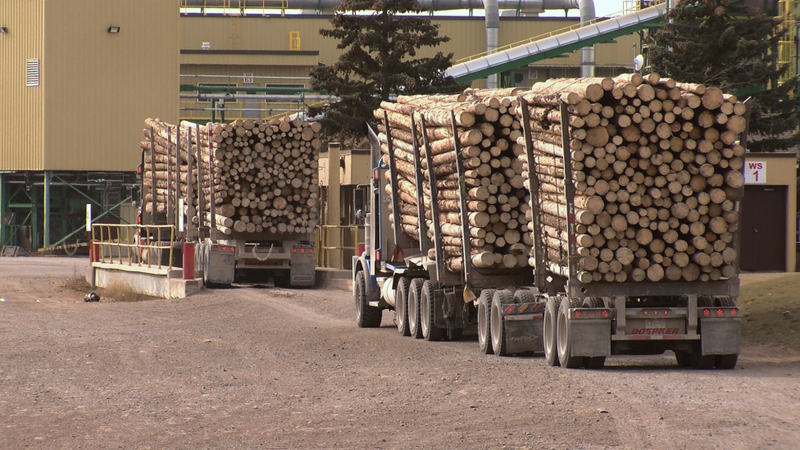
File Photo
Forestry

ForestryWorksForBC makes another case for forestry

Aug 31, 2025 | 9:00 AM

NELSON, B.C. — ForestryWorksForBC, a non-profit group of forestry-based organizations and companies, is on a mission to raise awareness about forestry’s critical role in the well-being of BC’s communities.

“All British Columbians, including government leaders, First Nations communities, and citizens can take pride in knowing that BC’s forests are well-managed and, at the same time, generate immense social, economic, and environmental benefits for everyone,” reads the presentation from Ken Kalesnikoff, President and CEO of Kalesnikoff Lumber, and professional forester Steve Kozuki.

The pair appeared before the RDCK board during its August 21 meeting.

ForestryWorksForBC represents thousands of workers and citizens engaged in all aspects of BC’s forestry sector. The non-profit is rallying voices, with the hope of working with government leaders to ensure the industry is sustainable and thriving – and to educate the public about why they can be proud of BC’s forestry industry.

The pair encouraged the board to broach the topic during the upcoming Union of BC Municipalities (UBCM) convention this September.

Kalesnikoff made a similar presentation to the board in August 2024. In November, the board sent a letter to the Ministry of Forests in support of the campaign, and of value-added and community-focused forestry.

How forestry works for BC

Kozuki said forestry provides almost 50,000 direct jobs and 51,000 additional jobs through support for local businesses, totalling more than $9 billion in wages, salary, and benefits.

The industry also generates about $6.6 billion in annual government revenues, which support public services and essential infrastructure like hospitals, highways, and schools.

The forestry industry is governed by some of the strictest laws in the world, said Kozuki, with regular inspections revealing a high rate of compliance. These laws ensure forests are being properly managed.

Only about a third of forests in BC are working forests, he said. The rest are in protected or managed areas or are not operationally feasible.

Area F Director Tom Newell asked about planting after logging: how much is actually replanted? And what species?

Kozuki said 100% of commercially harvested areas are reforested, and the species are chosen by prescribing professionals based on each unique forest site. Diversity is higher in southern BC, with fewer species as you go north.

“It’s a prescribed mix of species for biodiversity, and also protection from diseases so there are other species to fall back on,” he said.

Healthy forests absorb carbon dioxide, removing it from the atmosphere. Wood used in homes and furniture can keep the greenhouse gas stored for many years.

Salvaging logs from burned areas is another forest management strategy. By clearing out burned logs and planting new trees, Kozuki said forests can regenerate faster. The best way to prevent landslides and protect drinking water is to reestablish a forest as quickly as possible, he said.

Kozuki also spoke to forestry’s contributions to bioenergy. Wood waste left over from logging and wildfire mitigation can be burned to generate electricity. His hometown of Williams Lake has 20,000 homes, and its Northwest Energy facility generates enough electricity to power 50,000 homes, making it a net exporter to the grid.

Mercer Celgar in Castlegar also burns wood waste to generate electricity.