Labour Dispute

Regional District, CUPE negotiations at standstill as strike continues

Nov 16, 2025 | 8:37 AM

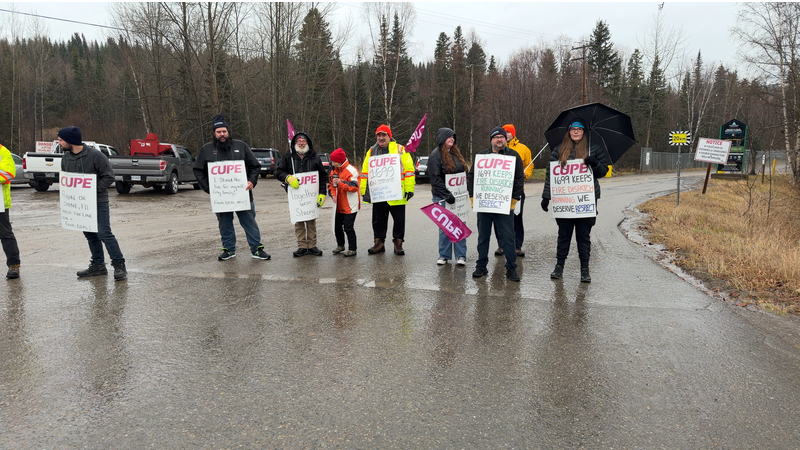
PRINCE GEORGE — The Regional District of Fraser-Fort George (RDFFG) and CUPE Local 1699, which represents certain RDFFG employees, have been locked in negotiations for months, with no clear estimate of when negotiations will end. Union members have been on strike since Friday, October 24th.

The union’s collective agreement with the Regional District expired in December, and negotiations began in February. When a deal wasn’t reached, the Labour Relations Board agreed to mediate three days of conversations between the union and RDFFG in August, but they still did not reach an agreement.

RDFFG CAO Chris Calder says financial issues were a big hangup during mediation.

“It really came down to the financials around wages and vacation,” Calder said.

The Regional District offered the union an 18.5 per cent wage increase spread out over five years through 2029, according to an RDFFG press release. Calder said the Regional District worries that anything higher could cause an increase in taxes for residents.

After mediated conversations ended, 94 per cent of Local 1699 members voted “yes” on a strike vote – quite the feat for a union of less than 100 members, says the local’s president, Daniel Burke. Still, it wasn’t an easy decision to make.

Job action and going on strike or removing services is always the last resort,” Burke said. “We look at how we can continue to put pressure on the employer to return to the bargaining table… we don’t take this lightly because we know it impacts the communities we provide services to, and it also impacts our members.”

Case in point, on October 1st the Regional District announced it would delay ice installation at recreation centres in Valemount and McBride due to “potential job action” from the union. Burke said the delay was unfortunate, but the union worked to get the ice installed despite the delay.

“We have been advocating since the very beginning to get the ice in for these communities – our members were ready and able,” he said. “We are happy to see that the Regional District finally relented with union and community pressure to get the ice in, and we’re happy to hear that the ice is finally usable. But it’s unfortunate that the delays did occur.”

Inflation has been top of mind for both the RDFFG and the union: for the Regional District, because inflation already means more costs for taxpayers regardless of wage increases, and for the union, because employees struggle to maintain their quality of life as cost of living increases.

When asked if the union was hoping to negotiate a cost of living adjustment – a provision included in many collective agreements which ensure that wage increases will be commensurate with inflation and rising housing costs – Burke said he could not provide specifics on what the union is hoping to achieve. However, he said the union is aiming for a deal that covers the rising costs of basic essentials.

“We have been fighting for a deal that acknowledges and supports the valuable work of our members and will support them in affording the basic essentials, and support these services for the long run,” Burke said.

In his interview with The Goat, Calder said inflation impacts Regional District services, too. The RDFFG is projecting a five to 9.5 per cent tax increase in the 2026 budget, and the district tries to keep tax increases roughly on par with inflation, he said.

“We try to maintain our tax increases to be closer to inflation than not,” he said. “I think historically we’ve done a really good job of doing that. Lately it’s been challenging because we’ve seen the spike in inflation through COVID years and post-COVID years.”

Larger costs to pay district employees – including wage increases larger than the 18.5 per cent offer, and benefits and more vacation time – means bigger costs for taxpayers who are already seeing tax increases from inflation, Calder said.

According to Calder, the Regional District typically has good retention rates for its employees, but Burke worries that they will begin to get priced out as everyday costs rise.

“The conditions causing these actions from unions across B.C. and across the country are the same ones impacting everyday citizens,” Burke said. “The costs of life and basic essentials are too much. We need to make sure that the people who are providing services that communities rely on can afford to live in these communities.”

You can find information about temporary changes to landfill and transfer station operations here.