Security Officers say security is about helping

Oct 14, 2026 | 1:19 PM


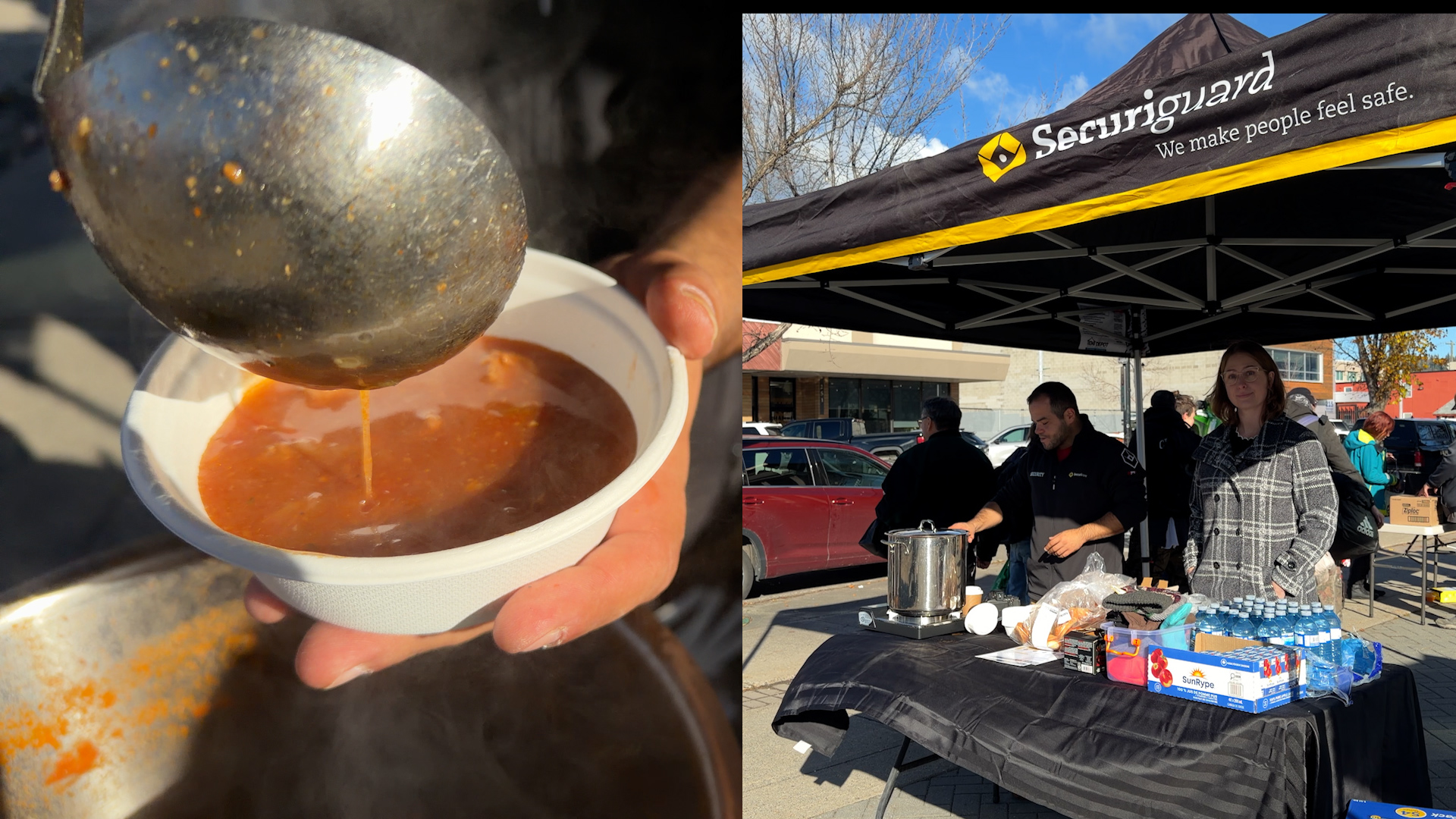
PRINCE GEORGE – Health-care security officers handed out free soup and warm clothing to vulnerable people in Prince George on Wednesday.

Securiguard Services Ltd. organized the soup kitchen and winter clothing drive just in front of the courthouse. The event was part of Healthcare Security and Safety Week.

Organizers collected and handed out warm clothing, winter accessories and other essentials. The goal was to help people prepare for the colder months ahead.

Nick Hunter, Securiguard’s branch manager in Prince George, said Wednesday was Officer Appreciation Day. He said the company chose this day to give back to the community, especially to vulnerable people in the city.

Hunter said he hoped people would start to see security officers differently.

“This is trying to bridge the gap, so they understand that security is here to help,” Hunter said. “We’re not here to just arrest people or detain people and move them away from places. We’re here to help.”

Securiguard’s health-care security officers work every day with people facing mental health challenges, homelessness, substance use issues, trauma and personal crises. The event aimed to encourage positive engagement and real conversations between officers and the community. His officers mostly work with vulnerable people. He said he believed a different approach led to better results.

“If you try to understand and come at it from a place of empathy and respect rather than enforcement, we tend to have a lot better outcomes,” he said.

He said that focusing only on enforcement pushes people away.

“If you’re just there enforcing all the time, people won’t come to you,” Hunter said.

Hunter added that the company also wants to genuinely support local businesses. He said showing respect, rather than always enforcing rules, works better for them too.

He said Securiguard’s health-care security branch is called Secure Care. He described this outreach as a new direction. He said building relationships with the people they serve makes things easier for both officers and community members.

“Hopefully we can help a few people,” Hunter said.

He said people in health-care settings are often glad to see officers. Some ask why security is there, and he tells them it is for comfort and safety.

“I’d like people to approach us,” he said. “I don’t want people walking away or running away from us. We want to engage with people. We’re all human, after all.”

The initiative aimed to bring together health-care security professionals, community organizations, and residents. Organizers hoped it would help people understand the role security professionals play in health care and build trust in the wider community.