Nechako research

Nechako research to look at hydropower impacts

Nov 12, 2026 | 4:27 PM


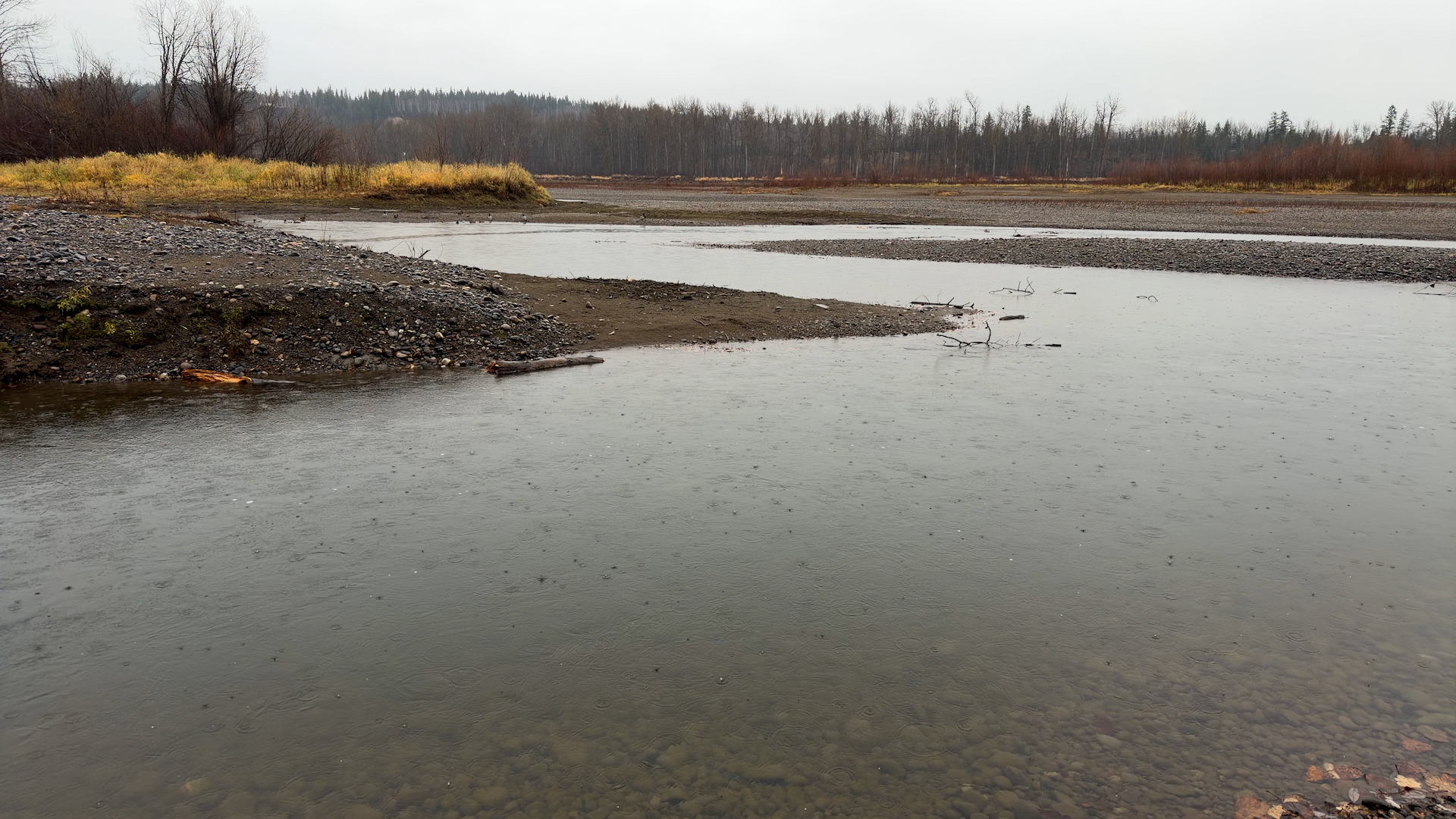
PRINCE GEORGE – Researchers from the University of Northern British Columbia plan to study the Nechako Canyon, a dry riverbed, over the next two years. Their work will help prepare for possible future water releases connected to a proposed hydropower project at Kenney Dam.

This project is the fourth phase of a long-term study of the Nechako River Basin. The Integrated Watershed Research Group has received $400,000 from the Nechako Environmental Enhancement Fund. Other agencies matched it with another $400,000 in matching funds.

Stephen Déry, a professor of environmental science and the Rio Tinto Research Chair in Climate Change and Water Security, says about 9.5 kilometres of riverbed between Kenney Dam and Cheslatta Falls are currently dry. He adds that no water is being released at the dam right now.

Déry says building a hydropower facility at the dam will bring major changes to the region soon. The NeToo Hydropower Project at the site is still in the proposal stage.

“We want to understand what the system looks like now and what it could look like in the future,” Déry says. This includes studying water temperature and the types of sediment available for transport.

The project focuses on four main themes:

* Mapping solar radiation in the Nechako Canyon, led by Déry.

* Studying the landforms and sediment in the river valley between Kenney Dam and Cheslatta Falls, led by Phil Owens, the Forest Renewal BC Endowed Research Chair.

* Examining how possible water release strategies could affect Chinook salmon, led by Eduardo Martins, the Rio Tinto Research Chair in Climate Change and Freshwater Fish Ecology.

* Exploring water and sanitation entrepreneurship to support local economies, led by engineering assistant professor June Garcia-Becerra.

“Water temperature is one of those variables that is especially important for many species, including Chinook salmon,” Déry says.

Garcia-Becerra says the fund’s support has helped the university continue this research for over 10 years. She adds that the work also aims to build local capacity, not just knowledge.

She notes that talented students sometimes leave Prince George for other projects. “Being able to retain that talent and contribute to the growth of our spaces, our communities, economies, ecologies, that’s critical,” she says.

The water and sanitation work builds on years of community-based research in northern BC. Researchers will look at water treatment, water reuse, nature-based solutions, and monitoring and maintenance.

Partners include the Lheidli T’enneh First Nation, Nulki-Tachick Lakes Stewardship Society, Yinka Dene (Nechako First Nations), Nechako Environment and Water Stewardship Society, and Nechako Watershed Roundtable. The project also involves other university researchers, as well as researchers from the University of British Columbia and BC Hydro.

The Nechako Environmental Enhancement Fund first supported university researchers in 2014, with more funding in 2018 and 2023. Additional support comes from the Natural Sciences and Engineering Research Council of Canada Alliance and Discovery Grant programs, the Rio Tinto Research Chairs program, Blackwater Gold/Artemis, and Mitacs.