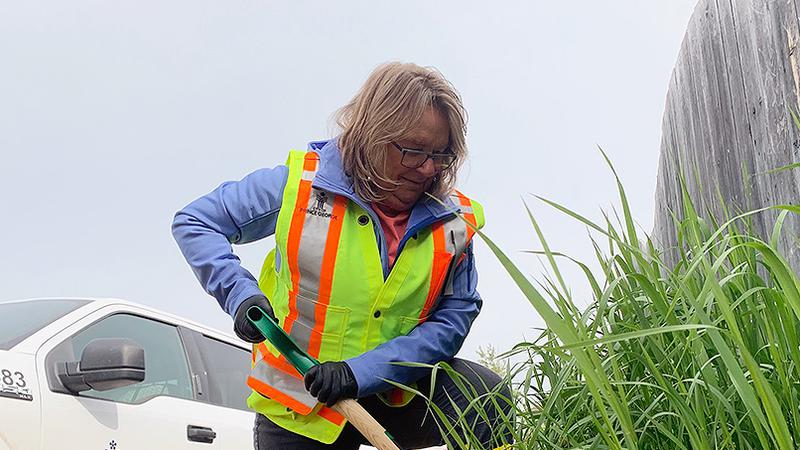
Claire Watkins deals with reducing mosquito numbers as well as reducing the number of invasive plants in the City. Photo Courtesy, City of Prince George.
in the air and on the ground

‘Tis the season for mosquitoes and invasive plants, here’s how you can help

Jun 3, 2020 | 11:16 AM

PRINCE GEORGE—’Tis the season for mosquitoes and invasive plants, but not to worry, as the City of Prince George is on it.

The City of Prince George says that they aim to reduce the number of mosquitoes, a.k.a blood suckers on wings, while protecting the environment.

“Each year, mosquito control is contracted to a company that specializes in mosquito treatment. This includes treating prime mosquito habitat from the air using a helicopter.”—Claire Watkins, Environmental Technician, Environmental Service Division, City of Prince George

Claire Watkins has been an employee at the City of Prince George for 24 years, and mentions that the best way to deal with mosquitoes is to “nip them in the bud.”

According to Watkins crews treat mosquito larvae with a naturally occurring bacterial larvicide that only affects mosquito and black fly larvae. “The larvicide is sparsely spread on water, which technicians have previously tested and found larvae to be present. Once sufficient number of larvae are identified, sites usually have a single treatment. The goal of the program is to treat mosquitoes in their larval stage,” say Watkins.

“We are lucky that the mosquito-borne diseases such as the West Nile and Zika virus have not been seen to exist in our area. One reason is that northern B.C. summers are not long enough to allow for the multiple mosquito generations necessary for these viruses to persist.”—Claire Watkins, Environmental Technician, Environmental Service Division, City of Prince George

The City says that there are measures residents can take in order to prevent their properties from becoming breeding grounds for mosquitoes such as getting rid of standing water, keeping gutters clean, putting a fountain in a pond, and filling in tire ruts.

And with the warmer spring weather, it’s not just the mosquitoes the City tackles, but invasive plants as well. Invasive plants out-compete native plants and can have potential negative effects on ecosystems.

“Methods for dealing with invasive species may include anything from hand-pulling, digging, deadheading, mowing, or using herbicide.”—Claire Watkins, Environmental Technician, Environmental Service Division, City of Prince George

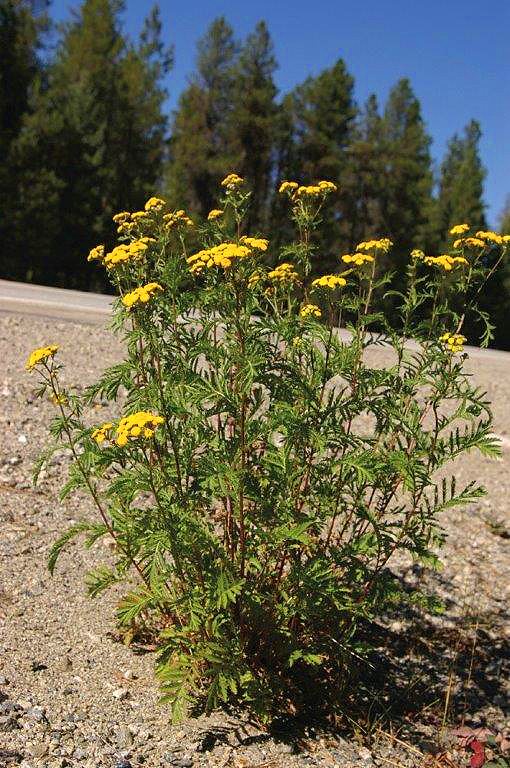
Currently, the City says that Prince George has a problem with common tansy, a yellow flowering perennial—meaning that it lives for more than two years. Watkins says that they need the help of residents to identify and report locations where the plant can be found.

Photo Courtesy, City of Prince George

Other invasive plant species in the area include burdock, knotweed, and leafy spurge. As for what else home owners can do to keep invasive plants off their land, Watkins says to learn what plants are invasive and to not introduce them into your yard, report locations of invasive plants to the City or Northwest invasive Plant Council and dispose of invasive plants responsibly. Double bag invasive plants and take them to the landfill, do not take to the compost or compost at home.