VACCINE CONCERNS

Local woman calls on government to speak up for those who can’t take COVID-19 vaccine

Jun 11, 2021 | 4:32 PM

PRINCE GEORGE– As Canada continues to move closer to opening up the country, one local woman is speaking out for a group of people who she says is being left out.

Those who cannot take the COVID-19 vaccine.

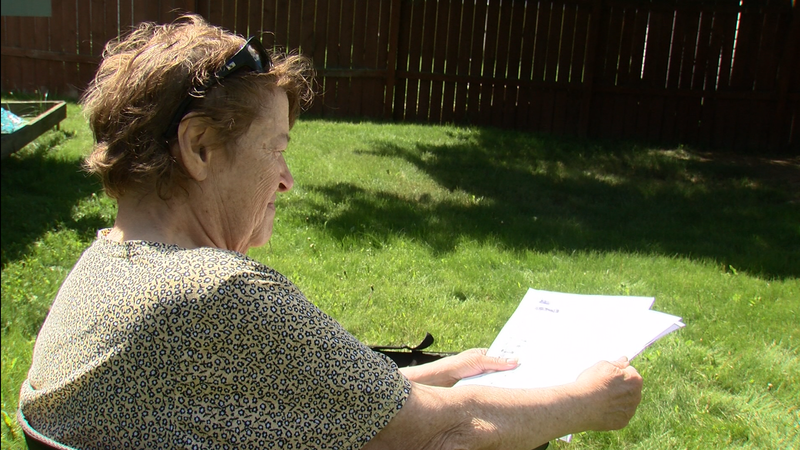
Florence Schultz was diagnosed with Anaphylaxis years ago. A potentially life-threatening allergic reaction. Which can sometimes stem from medications and vaccinations. Years ago, she says she was hospitalized for six months after the taking a flu vaccine. She says taking the COVID vaccine would be a death sentence.

“My doctors at that point determined that any vaccine that were man-manufactured, I would not be take them because I have over 350 allergies.” said Schultz.

She says that she has been verbally harassed in the past for not taking the vaccine. Even claiming that she’s been referred to as ‘Typhoid Mary.’

“I know that I’m not, that just tells me that those people that are stating that are unaware of in the medical happenings of a person’s life.” said Schultz.

So she decided to take matters into her own hands, writing a letter to MLA Shirley Bond, asking to speak up for people like her.

“There are people in our community and province that for very legitimate medical reasons, can’t be vaccinated.” said Bond

Bond says that Schultz’s letter is critical in moving forward with stopping COVID-19.

“British Columbia’s doing very well. There’s some parts of the province where the percentage of people vaccinated is lower than others. So I think this is about public education, it’s about talking about it, and most importantly it’s about remembering not to be judgmental if you don’t understand people’s circumstances.” said Bond.

Schultz also has concerns for a vaccine passport and worries that she would be left out if one is created. An ethics professor from UNBC argues that it could disproportionately affect certain groups.

“The institution of vaccine passports runs into the problem with discrimination of certain minorities and as in this case, we have a person who is unable to obtain the vaccine.” said Dr. Alexander Lautensach, Adjunct Professor at UNBC.

Schultz says she’e going to keep advocating for people like her. She hopes that the community will be better understanding.

“My hope is an awareness within the language of people will gain a wider acceptance. That people who are allergic to environmental, food, pharmaceuticals will now see these people not as some kind of parasite, but as people who have medical issues that they have to pay very strict attention to.” said Schultz.