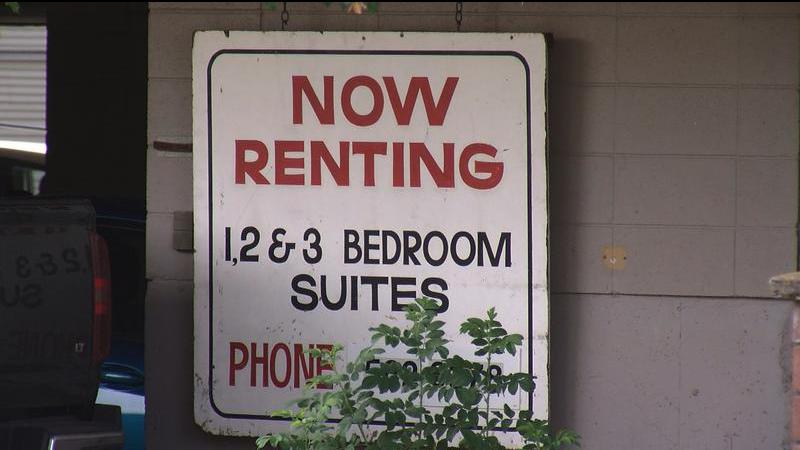
File photo
Housing

B.C. introduces legislation that will crack down on short-term rentals

Oct 16, 2023 | 12:22 PM

PRINCE GEORGE— In recent years the short term rental market has ballooned with the rise of online platforms like Airbnb, VRBO, Expedia, and FlipKey. Data indicates there are approximately 28,000 daily active short-term rental listings in B.C., an increase of 20 percent from a year ago.

“Anyone who’s looking for an affordable place to live knows how hard it is, and short-term rentals are making it even more challenging,” said Premier David Eby. “The number of short-term rentals in B.C. has ballooned in recent years, removing thousands of long-term homes from the market. That’s why we’re taking strong action to rein in profit-driven mini-hotel operators, create new enforcement tools and return homes to the people who need them.”

The provinces new legislation plans to turn those short-term rentals into homes for people by changing how the rentals operate.

Approximately 30 municipalities, including Vancouver, Victoria and Kelowna, have already introduced short-term rental bylaws and licence fees to regulate the short-term rental market. The proposed legislation builds on those bylaws and equips municipalities with more enforcement tools.

Some of these new rules include:

  • Requiring short-term rentals in B.C. to be offered only in the principal residence of a host in municipalities with a population of 10,000 people or more.
  • Requiring short-term rental platforms to include businesses licence numbers on listings where they are used by a local government, and to remove listings without them quickly to ensure local rules are being followed.
  • Requiring online short-term rental platforms to share their data with the Province, so the Province can provide that information to local governments for enforcement and support of provincial and federal tax auditing.
  • launching a provincial short-term rental compliance and enforcement unit to make sure rules are being followed,
  • and Increasing fines and providing better tools for local governments.

There will be exemptions made to municipalities that are reliant on tourism or the population is under 10,000 people. Communities on First Nations reserve land will be exempt from the legislation. Modern Treaty Nations will also be exempt from the legislation but will be able to opt into the legislation, if desired.

This proposed legislation will also not apply to hotels and motels. Regulations are also being drafted to exempt additional types of properties, for example, timeshares and fishing lodges, which are not intended to be covered under the scope of the legislation.