fuel sourcing

Tidewater to source fuel for City vehicles?

Jun 30, 2025 | 2:52 PM

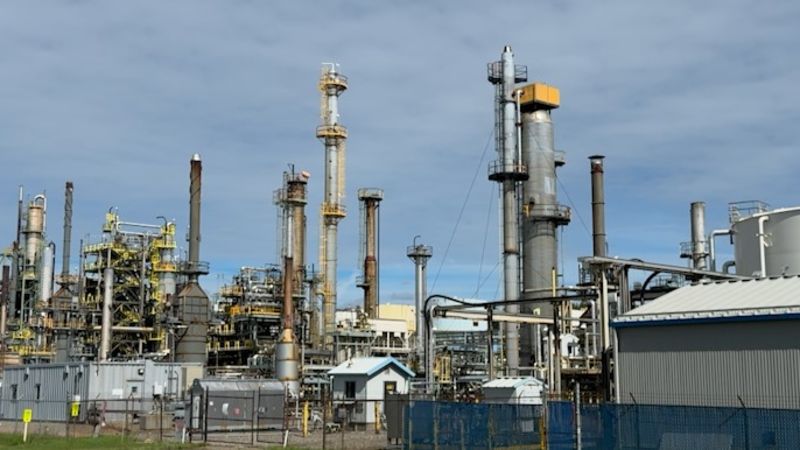
PRINCE GEORGE – Tidewater acquired the Prince George refinery in 2019 from Husky and built a biodiesel facility over the course of time. It uses products like used cooking oil to produce biodiesel.

However, it was under threat from a US-producer, who was taking advantage of two carbon credits: one from the US and the other from BC. That prompted the mayor to suggest an option.

“We are operating this facility a little bit away from the major centres, but the volume they produce here, they need a bigger market,” says Mayor Simon Yu, who floated the notion. “But if we don’t use it in all to support local industry, then how do we convince our municipal partners around the province, to say, ‘Hey, look together, maybe we should use our local products here?’

The City has 90 heavy-duty vehicles, such as fire trucks, loaders, graders, dump trucks and so on. – The majority of which run on diesel. The City also has 130 light and medium units. They run on predominantly on gasoline. And the City spends nearly two million dollars on fuel per year. Suncor is the supplier of the City’s fuel.

“And one of the things that BC really has strengthened is the municipalities working together,” explains Councillor Garth Frizzell, who sits on the Finance and Audit Committee. “We all know about it in terms of lending. By borrowing money together for our projects, we have the lowest interest rates in North America. It’s really quite striking what we’ve achieved there, but also with bulk purchases by buying an enormous amount, by having all the municipalities, it’s not all, but many of the municipalities and some of the local governments purchasing together, we get a lower price overall.”

Frizzell admits, though, the goal is always to keep an eye on the bottom line.

“We spend almost $2 million every year on our fuel. It’s a pretty significant piece. And we have to always be looking at ways to keep it down. We are going to be watching closely to see what happens to fuel prices over the next few months.”

The Province of BC has established provincial carbon goals to reduce greenhouse gas emissions, outlined in the Climate Change Accountability Act They include a 16 per cent reduction by 2025, 40 per cent by 2030, 60 per cent by 2040, and 80 per cent by 2050.

“We’re talking about 80 per cent carbon footprint reduction here,” says Mayor Yu. “So how is the carbon footprint come into this equation? We need to take a look at the whole picture. And during the time that we there be tariffs and whatnot, we needed to increase the local capacity, especially something we already manufacture here.”

Mayor Simon Yu says Tidewater could supply more than enough biofuel to support the city fleet.