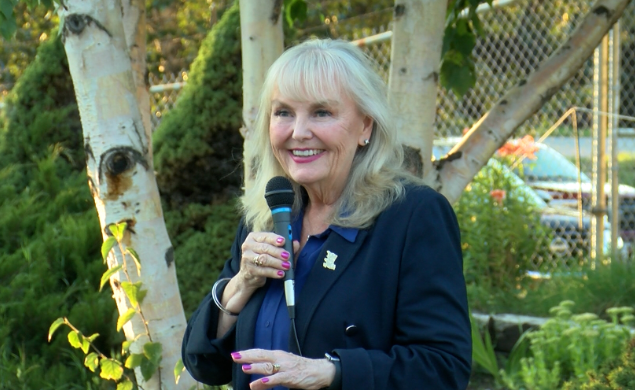
Conservative Party of BC Leader Kerry-Lynne Findlay during a visit to Prince George on August 15, 2026
BC Politics

Conservative turmoil fuels speculation of a snap B.C. election

Sep 18, 2026 | 2:31 PM

PRINCE GEORGE — As Premier David Eby continues to leave the door open to a possible early provincial election, a dramatic day in British Columbia politics has only intensified speculation that voters could head back to the polls sooner than expected.

The turmoil within the B.C. Conservative Party deepened Friday when party leader Kerry-Lynne Findlay expelled three more MLAs from caucus, including former leader John Rustad, former interim leader Trevor Halford and Skeena MLA Claire Rattee.

The latest departures add to a growing list of caucus defections and expulsions that have reshaped the opposition benches at the legislature in recent weeks.

At the same time, a new political force is emerging. Kamloops-Centre MLA Peter Milobar has taken over as leader of CentreBC, a newly organized centre-right party that now includes a number of former Conservative MLAs. The party says it intends to run candidates in all 93 provincial ridings and is preparing for what it believes could be an imminent election campaign.

Those developments come as Eby has told both Elections BC and members of his caucus to be “election ready,” although the premier continues to insist no final decision has been made about calling a vote.

University of Northern British Columbia political scientist Jason Morris says governments often call elections when they believe political conditions are favourable.

“We have fixed election dates, but the premier can call an election when they think they have an advantage,” said Morris.

With the opposition fractured, Morris says the political calculus for the governing NDP is straightforward.

“The opposition is in such disarray that it’s hard to think why it wouldn’t be a good time to go, just from that political calculation standpoint,” he said.

However, Morris cautions that calling a snap election carries risks.

Election campaigns can quickly change the political conversation, and governments that appear strong before a campaign can find themselves facing unexpected issues once voters focus their attention on the race.

He also notes that despite the Conservatives’ current troubles, the party was within striking distance of forming government in the last election.

“The B.C. Conservatives got a whole heck of a lot of votes last time around,” Morris said. “They were within a hair’s breadth of winning the election.”

Prince George-Mackenzie Conservative MLA Kiel Giddens argues British Columbians are more concerned about pressing issues than election speculation.

“Apparently the premier is causing this speculation about an early election that I don’t think British Columbians want,” said Giddens. “I think it is actually quite a cynical move.”

Giddens says the focus should remain on issues such as the provincial deficit, health-care access and challenges facing B.C.’s forestry sector.

“We have now a $13.8 billion deficit. We have a collapsing health-care system. We have our forest industry in crisis here in Prince George,” he said.

The timing of a potential early election is also generating concern because it could occur just weeks after municipal elections scheduled across the province in October.

Still, Morris says the growing fragmentation on the political right could be exactly the kind of opening governments look for when considering whether to seek a new mandate.

With the Conservatives losing MLAs, CentreBC organizing rapidly, and the premier urging his party to be election ready, political observers say speculation surrounding a snap provincial election is only likely to grow.

For now, British Columbians are left watching a political landscape that appears to be changing almost daily, and wondering whether a trip to the ballot box could be closer than anyone expected.