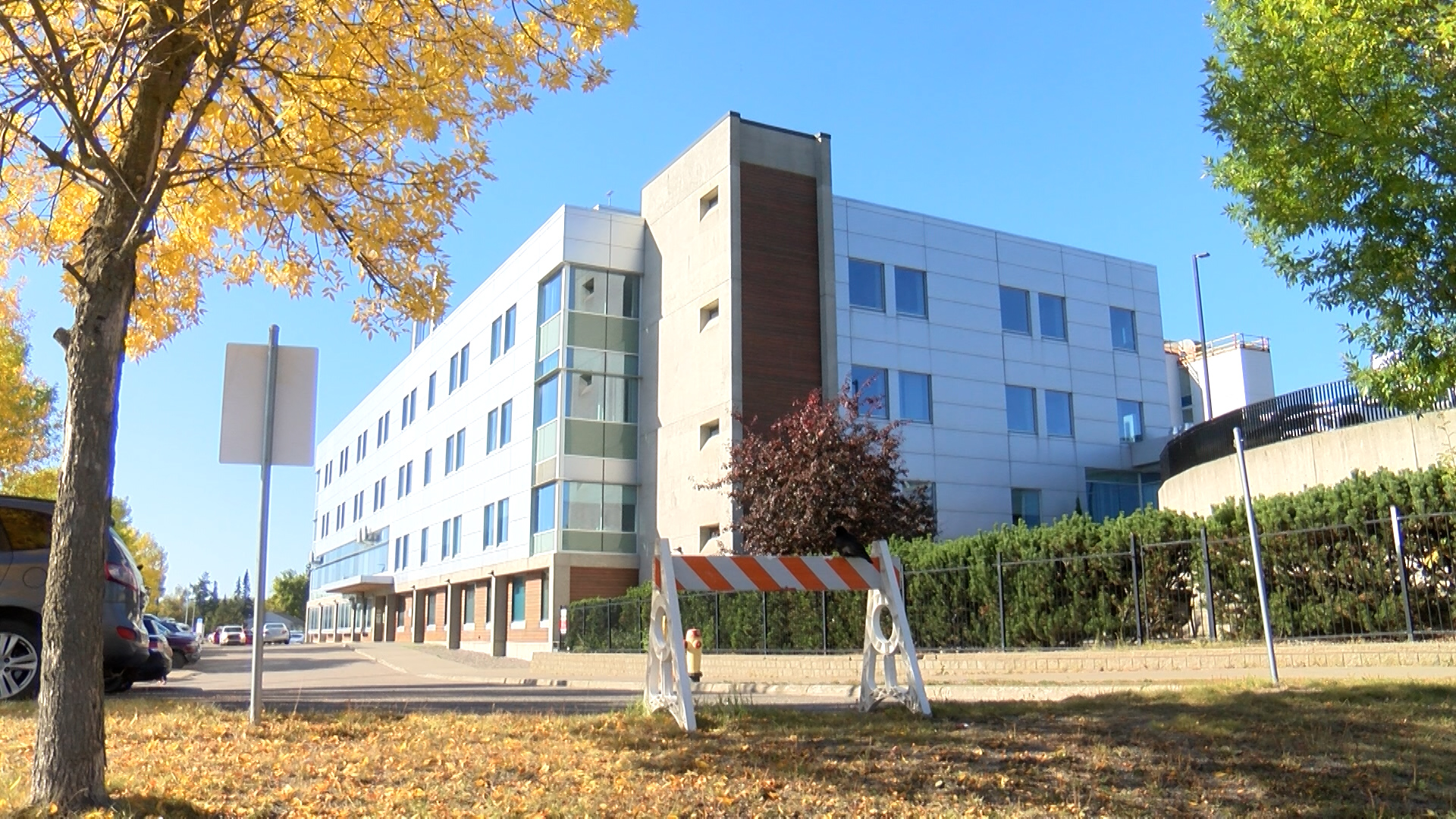
Helipad

Concerns over possible helipad location

Sep 21, 2026 | 3:20 PM


PRINCE GEORGE – The debate over a helipad at the University Hospital of Northern British Columbia’s new acute care tower is intensifying, with local leaders continuing to push for an on-site landing pad while Northern Health supports an alternative location near the hospital.

The issue has become one of the most closely watched elements of the massive UHNBC redevelopment project, which includes a new acute care tower currently under construction in Prince George. The project represents the largest healthcare infrastructure investment ever made in Northern British Columbia.

The Fraser-Fort George Regional Hospital District says it has spent more than two years advocating for a helipad located directly on the hospital campus or on top of the new tower. The district argues an on-site helipad would improve patient outcomes by eliminating transfer times and reducing the risks associated with moving critically injured patients between multiple vehicles before they reach hospital care.

However, the province says assessments completed by Northern Health determined that on-site options could negatively affect hospital operations and patient care.

In a statement to CKPG News, Infrastructure Minister Bowinn Ma said the province remains committed to delivering a helipad for Prince George while continuing discussions with local partners.

“We are working to improve patient care for people in the North. The new acute care tower represents the largest ever investment in healthcare infrastructure in Northern BC, and we remain committed to bringing a helipad to Prince George. Onsite options for a helipad were thoroughly assessed by Northern Health and were found to have negative impacts on clinical operations and clinical care. Options adjacent to the hospital have been identified which allow for more efficient patient transport to the emergency department and better patient care throughout the hospital. Work continues with the City of Prince George, the Fraser-Fort George Regional Hospital District and Northern Health to identify a path forward. Our priority is finding a solution that supports improved patient care and can be delivered quickly so people can benefit from this service. My Ministry will continue to work with our partners to deliver a helipad and improve care for people in the region.”

Regional Hospital Board Chair Kyle Sampson says local governments and residents were led to expect an on-campus helipad after a commitment was made several years ago by Premier David Eby.

According to Sampson, the hospital district successfully advocated for a helipad to be included in the business plan for the acute care tower project and believes that promise should be fulfilled.

One of the arguments being raised in recent discussions is cost.

Sampson says figures shared during discussions with the province and Northern Health suggest a rooftop helipad could cost between $20 million and $30 million. While acknowledging that represents a significant amount of money, he notes it would account for just over one per cent of the overall project budget.

For the regional hospital district, the discussion is less about construction costs and more about equal access to healthcare services.

“The most important part, I can’t stress enough, the regional hospital district believes that you can’t put a price tag on delivering health care in an equitable way across the province. We are the only hospital in a major city in this province that does not have a helipad on site. And that’s a problem in providing fair, equitable access to patients. Northern residents don’t have the same access other residents do in BC.”

Sampson also points to transportation times as a major concern.

The hospital board maintains that locating a helipad directly at UHNBC could eliminate as much as 15 to 20 minutes of travel time currently required to move trauma patients from an off-site landing location to the hospital. The district also argues that every additional patient transfer introduces more risk, particularly for critically injured or seriously ill patients arriving from remote communities across Northern B.C.

The issue resonates across the region because UHNBC serves as a referral centre for a vast geographic area. Patients experiencing serious trauma, medical emergencies and specialized care needs are routinely transported to Prince George from communities hundreds of kilometres away.

Sampson says the regional hospital district is not looking for conflict with either the province or Northern Health, adding that all parties have worked collaboratively on the acute care tower project to this point. However, he believes residents deserve a clear explanation if an on-campus helipad is ultimately not included.

The province, meanwhile, says discussions remain ongoing and that the priority is to find a solution that improves patient care while allowing the project to move forward efficiently.

For now, no final decision has been announced on where the helipad will be located, but with construction already underway on the new acute care tower, local leaders say they will continue pressing for a landing pad directly at UHNBC.