Political expert urges voters to do homework

Oct 5, 2026 | 4:44 PM


PRINCE GEORGE – People in the Prince George area can now see who is running in the provincial election. Most local ridings have only a few candidates to pick from, with General Voting Day set for Saturday, Oct. 24.

Three BC Conservative MLAs are seeking re-election in our area:  In Prince George-Mackenzie, Kiel Giddens is running against Ian McMahon from the BC NDP and Teri Young from the BC Green Party.

In Prince George-North Cariboo, incumbent Sheldon Clare is running against Denise Bardua of the BC NDP and Randy Thompson of the BC Green Party.

Prince George-Valemount has the most candidates in the area – incumbent Rosalyn Bird is running against Carol Bourque of the BC NDP, Jodie Capling of the BC Green Party, and Mitchell Lukoni of OneBC.

In Nechako Lakes, Diane Black has stepped forward for the BC Conservative Party, Jesse Gervais from the BC NDP, and independent Clint Lambert.

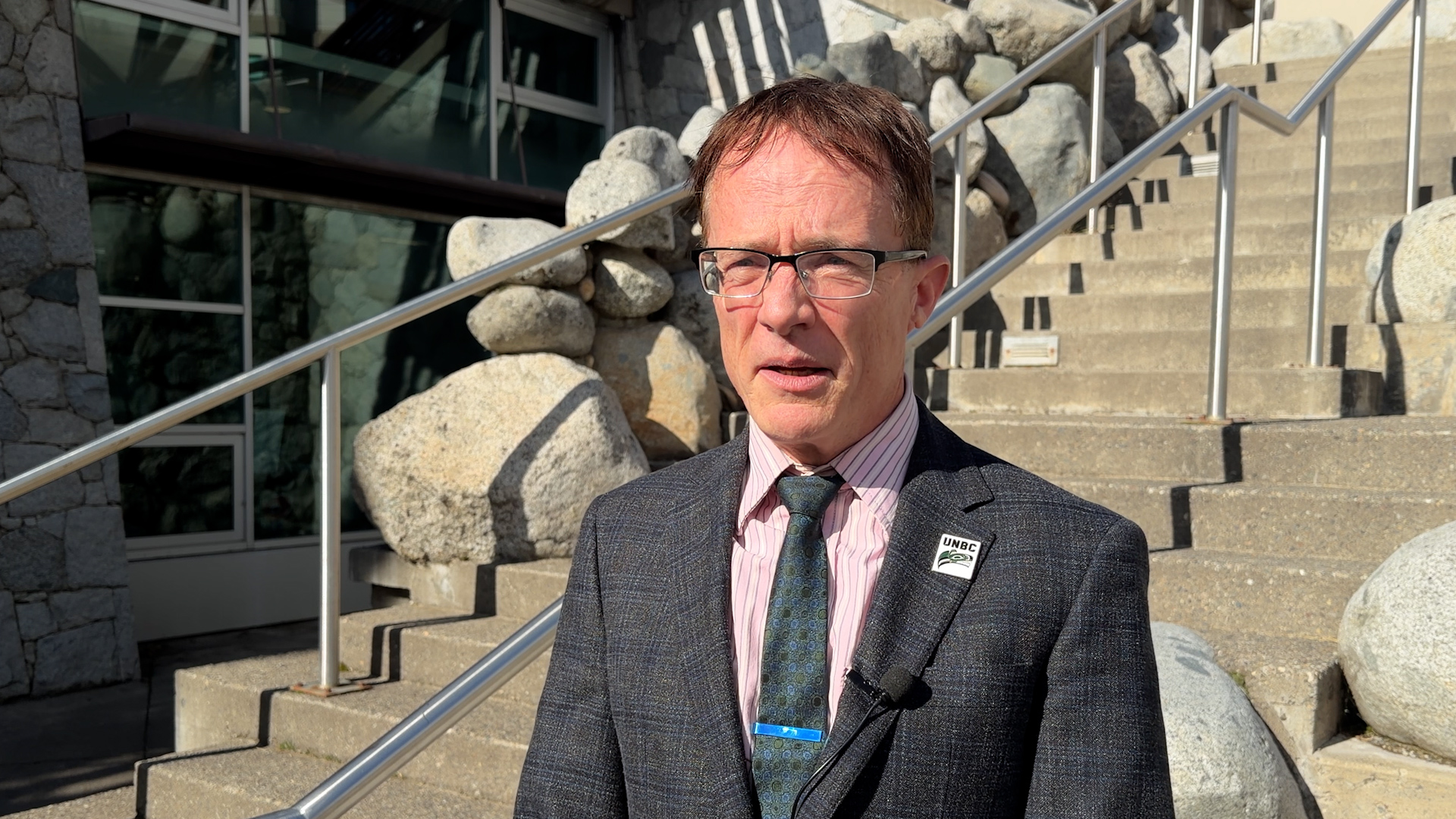
Political Science lecturer at UNBC Jason Morris says voters should weigh experience when deciding whether to support an incumbent.

“The benefit of voting for someone who has been in the game for a while is the experience they have,” Morris said. “It’s a super sharp learning curve to be an elected representative.”

He points out that even basic tasks, such as setting up a constituency office, can take new MLAs several months to learn.

Morris also believes newcomers are important. He says people from different backgrounds can bring fresh ideas and, as he puts it, “shake things up a little” in how communities are represented.

Morris points out that voters do not need to study or prepare before casting their ballots.

“There’s no aptitude test or skills test or Jeopardy questions that they have to provide,” he said. “They just need to get in their bunny slippers or PJs, and they can go to vote. That being said, I’d hope that people do a little homework.”

He suggests that voters begin by considering their main beliefs about equality, justice, freedom, and the role of government. After that, they can see which candidates share those views.

Morris adds that no legal rules explain why people choose a candidate. Some might vote for someone because of their hairstyle, personality, or even a past favour.

Morris says that voter turnout has gone down over the years. It was about 70 percent in the 1980s, but he thinks the last election was under 60 percent.

He says it is difficult to tell if people are disengaged or simply satisfied with the current situation. Some may not vote because they feel things are fine as they are.

If people do not vote because they feel their vote does not matter, Morris says politicians must do a better job of representing their views.

He notes that with fewer minor parties running, voters have fewer choices. Many ridings now have only about three candidates.

Morris says a shorter ballot can make decisions easier for voters, but it might also mean some people do not see a candidate who matches their views.

“There could be interests in B.C. political life that aren’t finding a place to go when it comes to casting their vote,” he said.