VACCINE PASSPORT CONCERNS

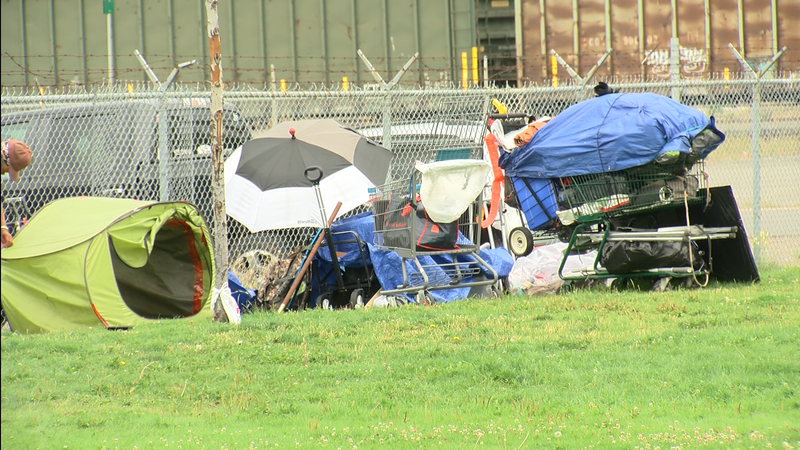
Vaccine passports could create barriers for unhoused people; local advocates say

Aug 10, 2021 | 4:13 PM

PRINCE GEORGE—Vaccine passports continue to be a hot topic in Canada as Manitoba and Quebec began rolling out their own passport program in their provinces.

British Columbia hasn’t ruled out the possibility of one to access non-essential services, however, advocates for unhoused people say a vaccine passport could restrict them even further.

As the delta variant continues to create more cases in B.C., the clock is ticking on what needs to be done to prevent another lockdown. When asked about the possibility of a vaccine passport, Dr. Bonnie Henry said “we’re looking at all options and continue to look at all options.”

Although proof of vaccination looks like a viable solution, advocates say it would be a serious disadvantage for those who are unhoused.

“To put another sort of barrier that will mean that they can’t get the services they need, I think it’s a human rights question,” said Associate Professor Dawn Hemingway, UNBC School of Social Work.

Hemingway says that creating a vaccine passport would only further limit the services the population desperately needs.

“It’s gonna be a big challenge because for one thing: many, many people who are homeless do not have ID. Or if they get ID, they lose it or it gets stolen. it’s a very common thing to happen,” said Hemingway.

Essential services are another concern of hers: mainly as to what the government defines as such.

“I still think it’s a big problem because what is the definition of non-essential? Is essential just sort of a life and death question? What about quality of life? If there’s an opportunity for someone who is experiencing homelessness to do something a little bit out of the ordinary that they maybe often can’t do, like someone offers to take them to a restaurant or something like that, or on an outing, should they be denied the right to do that?” said Hemingway.

If the vaccine passport were to mandated, agencies such as the Association Advocating For Women And Community that work closely with the affected population, say their workload would increase significantly.

“Those individuals won’t be able to access the non-essential services which means that it’ll put more workload on us to ensure that we are able to get those services too them.” said Connie Abe, Executive Director at AWAC.

The vaccine passport also poses an ethical issue.

“In this case it’s human rights and justice, where the institution of vaccine passports runs into problems with discrimination of certain minorites,” said Dr. Alexander Lautensach, Adjunct Professor at UNBC.

Advocates say right now, the focus shouldn’t be on a passport, but rather getting more shots into the arms of unhoused people.

“Anecdotally our outreach team connects with individuals everyday and their conversations with them–they’re saying that there’s a low percentage who’s gotten actually their first vaccination. A lot of them don’t wanna get their vaccination,” said Abe.