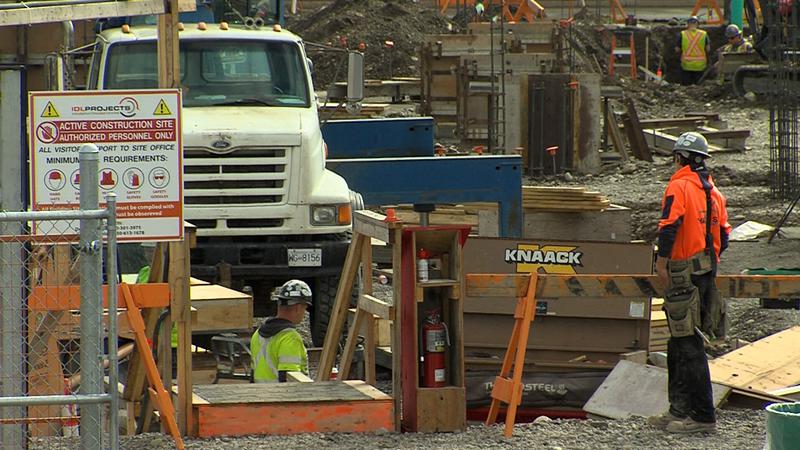
Workers in trades, transport, or equipment operators are disproportionately high when it comes to deaths due to unregulated drugs, a concerning statistic that many are looking to address.
Unregulated Drug Deaths

Trades workers disproportionately high for unregulated drug deaths

Aug 26, 2025 | 1:33 PM

PRINCE GEORGE – August is International Overdose Awareness Month, and a big focus for this month is awareness and destigmatization of the drug crisis. One concerning statistic being highlighted is that workers in trades, transport, and equipment operators are disproportionately represented when it comes to the total amount of deaths due to unregulated drugs. From 2022-2024, these workers made up 21% of total deaths, more than double the next highest occupation.

It’s alarming, but also consistent with what those in the industry have seen for the last decade. The CEO of the Vancouver Island Construction Association Rory Kulmala believes this is due to three main factors, being:

  1. “Construction is a very accessible employer. You don’t necessarily have to be skilled per se, but you can be employed in construction, and when you are employed in construction, you’re employed, you have access to to cash. These people are earning money so they can buy product,” Kulmala said.
  2. The demographic of those most heavily impacted by the drug crisis is males aged 21-49, and Kulmala says this is just about a direct overlap with the demographic of construction workers.
  3. A culture of “work hard, play hard,” and a lot of male bravado, which Kulmala says leads to less employees reching out for help. “We’re also seeing within the trades is that they’re less likely to seek out help if they have an addiction, if they have any mental health crisis. So I think that feeds into this position we’re in where construction trades people, people working in the warehousing sector, are disproportionately represented in these statistics,” he said.

With those factors in mind, how can the situation be approached? Kulmala says a large initiative called the “Tailgate Toolkit,” has been aimed to educated workers around addiction and mental health, and also lower the stigma around substance use and seeking help.

“It’s basically a campaign that we put together that we can educate workers on what addictions are, what mental health crises can contribute to people using products that they shouldn’t be, or using too much of it, addressing things like pain management,” Kulmala said.

Kulmala explained it is a grassroots movement aimed at connected with each employee on a personal level, as he says simply telling people “if you have addictions go to that meeting,” won’t work, so the Tailgate Toolkit is about speaking to workers in a comfortable setting. In this case, these topics of mental health and addictions are brought up during a tailgate safety talk, which happens at every construction site.

“A tailgate safety talk is something we do on a construction site anyway. They have to be there, so they stand around the bed of a truck and say, ‘what’s going to happen today?’ When you introduce this, you’ll have people come into that conversation going, ‘oh man, do I have to listen to this?’ But also: ‘you know what? I got a friend that I’m worried about, this is really good information,'” Kulmala said.

From there, Kulmala hopes a culture of acceptance and destigmatization can grow, leading to less unregulated drug deaths and workers more readily seeking resources.

“Currently, we run a program with the Umbrella Society where it’s a weekly peer-to-peer support group that’s online. It’s around allowing workers to come to a safe place, have a conversation. It’s not a 12 step program, it’s not a faith based program. It’s merely having a facilitated conversation about what’s happening, why are they struggling?” he said.

If you would like to learn more about the Tailgate Toolkit, you can visit its website HERE.

Local news. Delivered. Free. Subscribe to our daily news wrap and get our top local stories delivered to your inbox every evening.