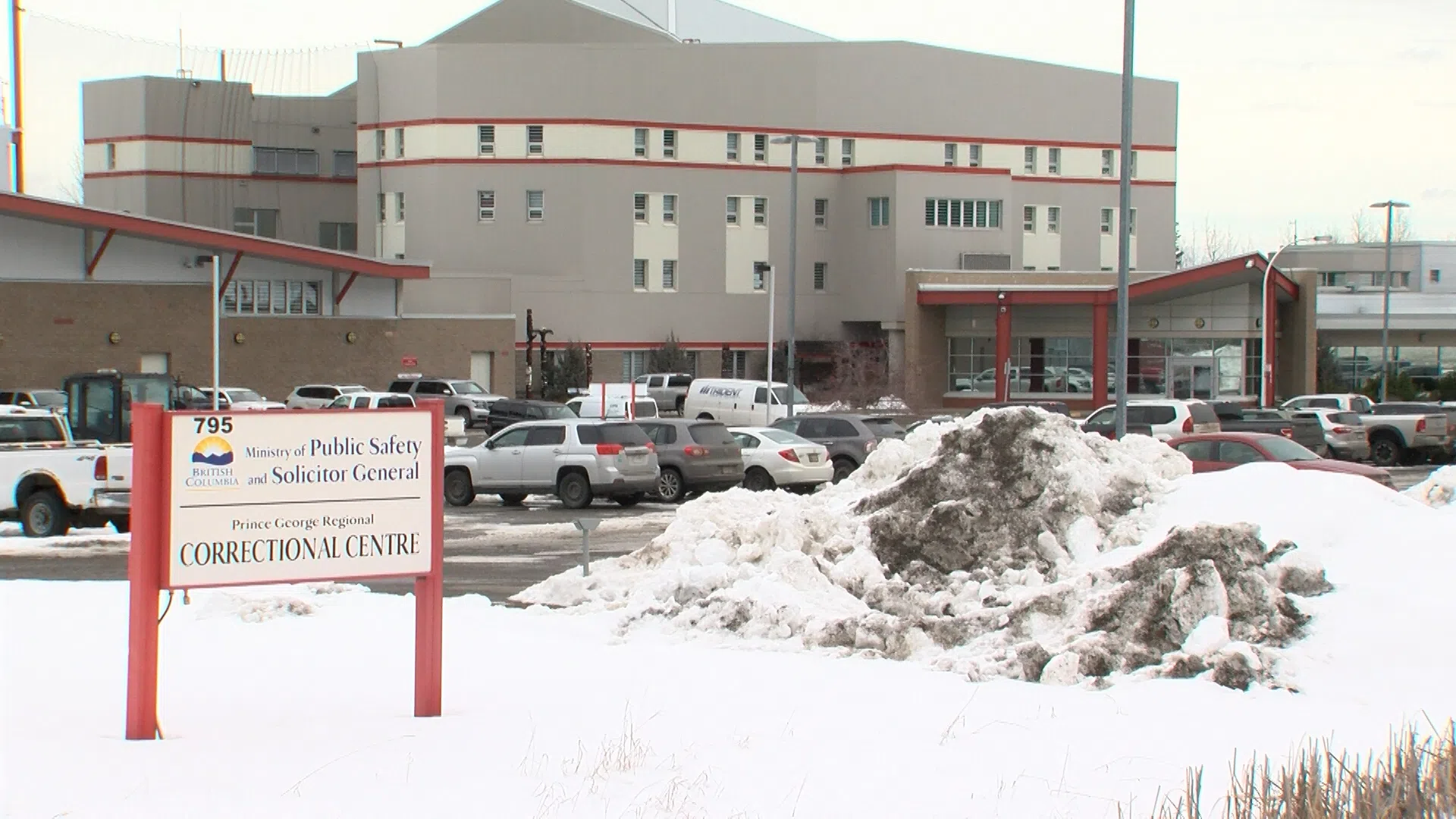
The College of New Caledonia's ”Inside Out” program brings CNC students together with incarcerated students.
Inside Out program

College program bring students and inmates together in unique program

Mar 2, 2026 | 6:02 PM


PRINCE GEORGE – A unique program offered by the College of New Caledonia brings people incarcerated at the Prince George Regional Correctional Centre together with college students, where they all learn together as part of the “Inside Out” program. Ten students from both sides are part of the program, and each class takes place at the Correctional Centre, where the students will discuss class topics together.

“Inside Out is actually part of a larger initiative that started in the 90s. So we are one school out of three in British Columbia that actually offer it. What Inside Out does is it brings together incarcerated persons and college students to be equal learners in the classroom setting. We call folks who are incarcerated ‘inside students,’ and CNC students, we call them ‘outside students,'” explained Marc Sinclair, a sociology and criminology instructor at CNC.

The CNC students involved say the program is incredibly valuable, and the chance to engage in such a direct way with the criminal justice system and the incarcerated students has been an eye-opening experience.

“It’s life changing. It changes your perspective, and you really question what you believe in and the way that we operate in all aspects of our lives. There is no other class like this. There’s no other learning experience like this. And you’re not ‘inside’ students and ‘outside’ students. You’re just students. You’re just people having a conversation together,” said Fiona Edwards, an “outside” student in the program.

“Being able to be a part of something so big, and breaking barriers and stigmas and gaining learning experience and work experience doing this … I couldn’t pass it up,” added fellow “outside” student Avery Shaw.

This is the third year the program has been running at CNC, but it’s the first year students have been able to go into the correctional centre itself and directly engage with the space and the incarcerated students inside. That direct learning, as opposed to simply hearing about how it works, has been especially beneficial to the learning process.

“Sitting in a classroom, reading a textbook, watching a YouTube video on the correctional system, versus sitting inside hearing doors slam, hearing calls for count, seeing the way the expectations that inside students are expected to follow, you don’t get that sitting in a traditional classroom,” Edwards said.

“It’s definitely helped broaden my perspective and enlighten me on different aspects of being incarcerated, as well as prerelease and post release,” Shaw said.

Shaw has already completed a social work diploma at CNC, but says this course really stood out to her so she wanted to take it to broaden her experience and prepare her for life as a social worker. She says being able to work alongside the inside students and see what their lives in a correctional facility are like has certainly better prepared her for her potential future.

“People have this big misconception that everybody in there is an inherently like a bad person. And that’s just completely, completely false. The guys in our class have been truly some of the best people I’ve met, full of genuine conversation, kindness, respect,” Shaw said.

As for the inside students, Sinclair says this course does give them credits that can be used for future CNC offerings. He says in the past several of these students have gone to CNC once they’ve been released, speaking to the success of the program and how it can offer a head start and direction for some students post-release.

“One of the goals of the program is to get people interested and excited about doing something. So whether that is trades, criminology, or sciences, it just gives people a sense of accomplishment and hope to maybe try something new,” Sinclair said.

As for what the class is about, Sinclair said it’s all about restorative justice, which encourages offender accountability and involves victims in the process.

“We talk about what restorative justice is, what different formats are, and then we move into a text, it’s called ‘Returning to the Teachings, which is Indigenous views of healing, transformative justice,” Sinclair said.

Sinclair encourages you to come to the CNC Open house on Saturday, March 7 if you are interested in learning more, as he says both he and several students will be available to discuss the program. This open house will take place from 10:00 a.m. to 3:00 p.m.