Dr. Jamie Gorrell carefully storing a beaver sample for the bio bank.
UNBC Biobank

New UNBC biobank could reshape research across the continent

Apr 29, 2026 | 4:24 PM


PRINCE GEORGE – A partnership between the University of Northern British Columbia (UNBC), the BC Trappers Association, and First Nations across the province is transforming how scientists will study wildlife. A new biobank project, led by UNBC Associate Professor Dr. Jamie Gorrell and Glen Cartwright of the BC Trappers Association is establishing this biobank of a wide variety of animal samples from B.C. and beyond.

“Every time a trapper collects an animal, they take the pelt, and they are able to sell that. But then the sample, the rest of the carcass, typically goes to waste. So we’re trying to maximize the value of these animals by collecting samples for scientific research: a bit of pelt, a bit of muscle muscle, and those then get brought to the university and then we catalouge them, we preserve them and we hold them indefinitely. We are making them available for sharing so other people can then use those to do research,” Gorrell explained.
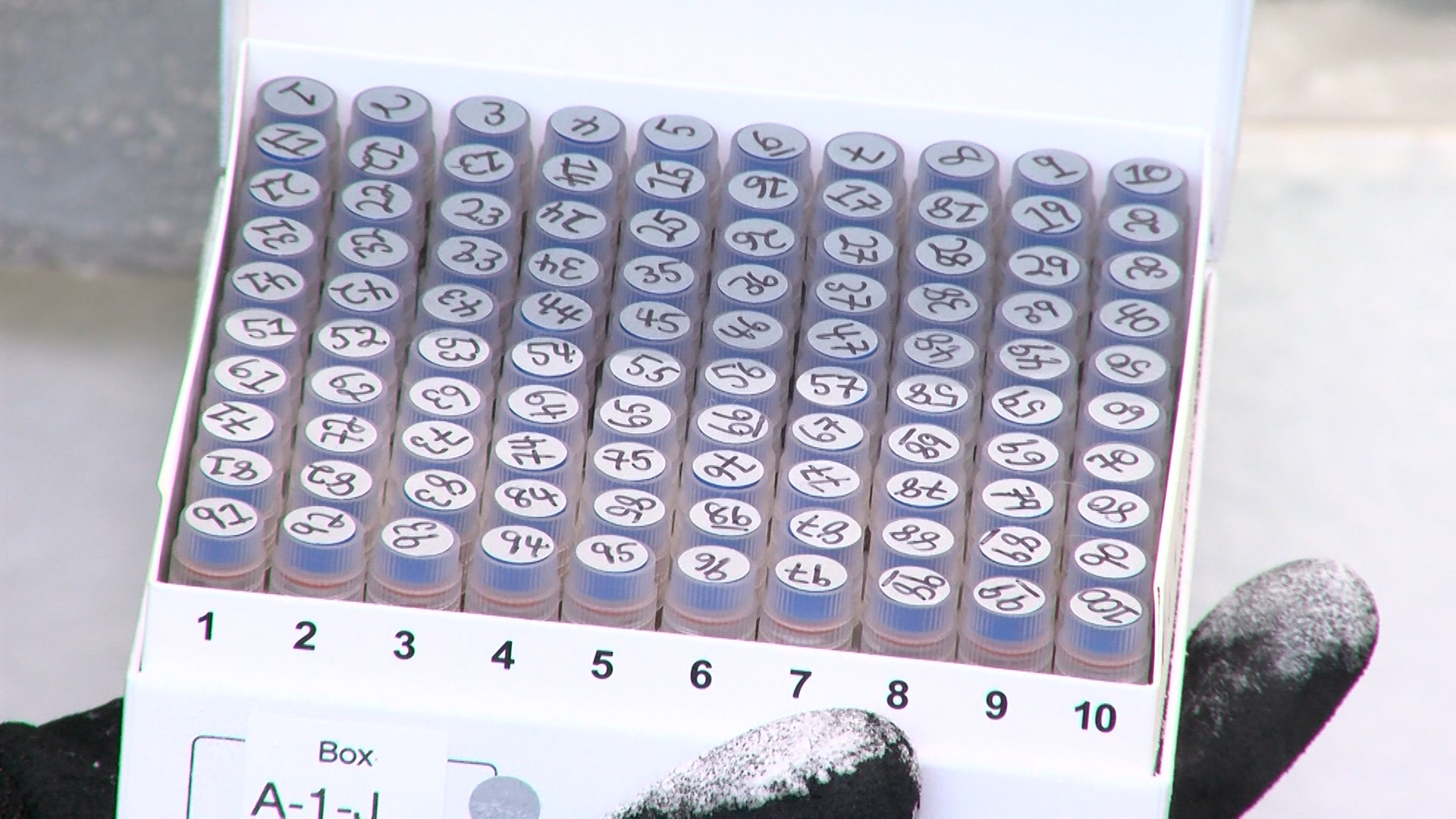
The samples are stored at temperatures as cold as -80°C, to be used for future researchers.
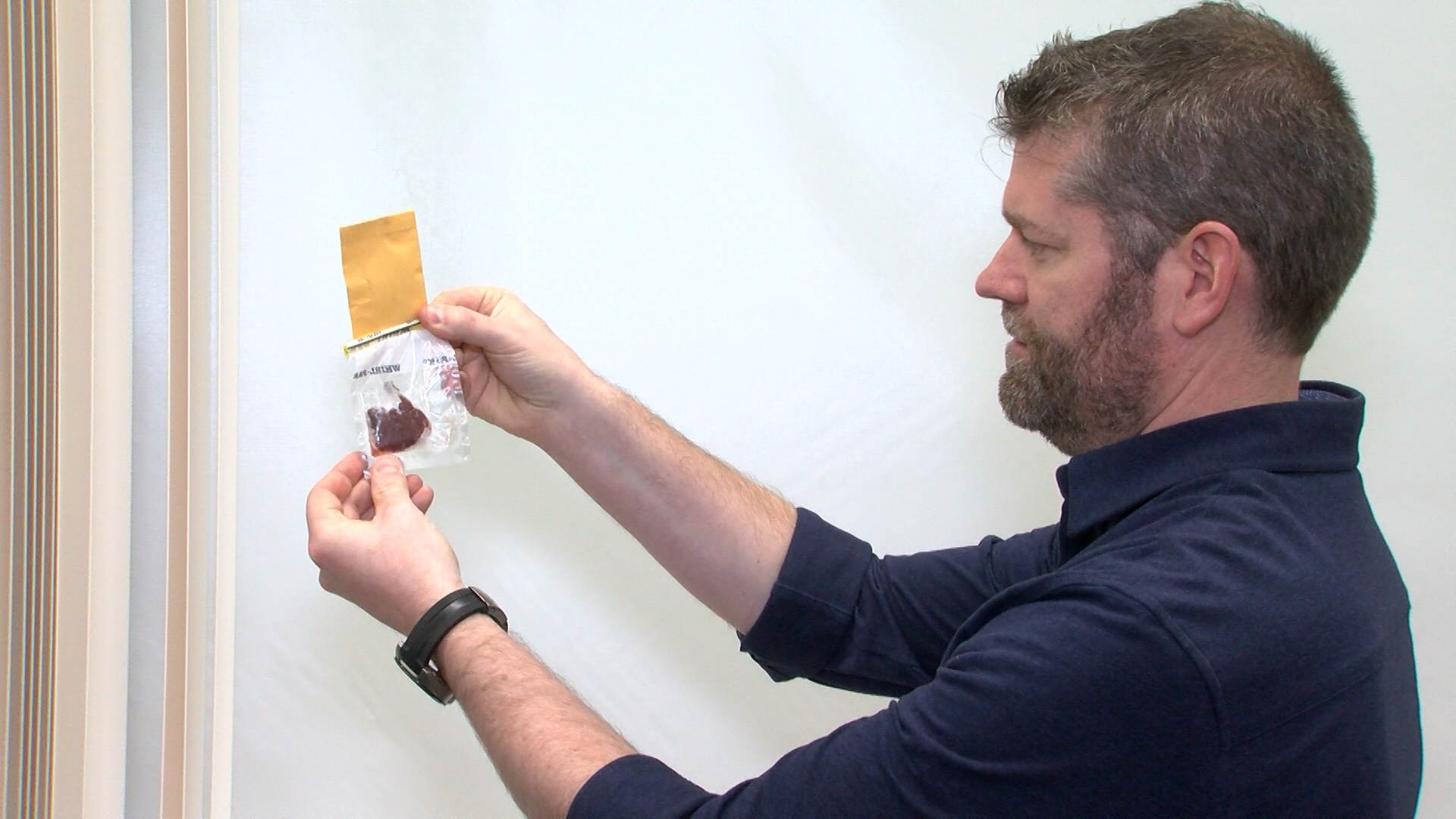
“Any professor, any researcher from university, from government, from Indigenous communities who want access to these samples can just apply and explain what project they want to do, and then we will share those samples with them,” Gorrell continued.

Cartwright says this is the first biobank of this nature in Canada, and one of only two or three across the entire continent. He, alongside Gorrell, say this will revolutionize the speed at which researchers can access samples, greatly improving research efficiency.

“I would receive 20 to 30 requests a year for samples from PhD students, from government biologists, master’s students, and it would always take me one, two, three years to get the samples for them. Longer than the time they had to do the project,” Cartwright said.

“What would normally take tens of thousands of dollars to do research, we should be able to shave that down to hundreds of dollars, and shave off years on the time that it’ll take to do those projects,” Cartwright continued.

Gorrell says the information gleaned from these samples is crucial to all sorts of wildlife research, including but not limited to:

  • DNA analysis to look at how animals move across a landscape.
  • Analyze diet habits and nutrients in plant life. “We can look at the amount of carbon and nitrogen and determine what they’ve been eating,” Gorrell explained.
  • Research on viruses, bacteria, parasites.
  • Hormone research. “We can look at hormones: are the animals more stressed? Do they have high cortisol for example? And how does that come back to their environment?” Gorrell said.
  • Toxins and other contaminants in the environment.

“It’s especially important to get these samples before something happens. So if there’s a mine spill, for example, we have samples from that region before the disaster happened, and then we can compare to after,” Gorrell said.