Tariffs

Tariffs deepen forestry uncertainty

Aug 25, 2026 | 4:32 PM


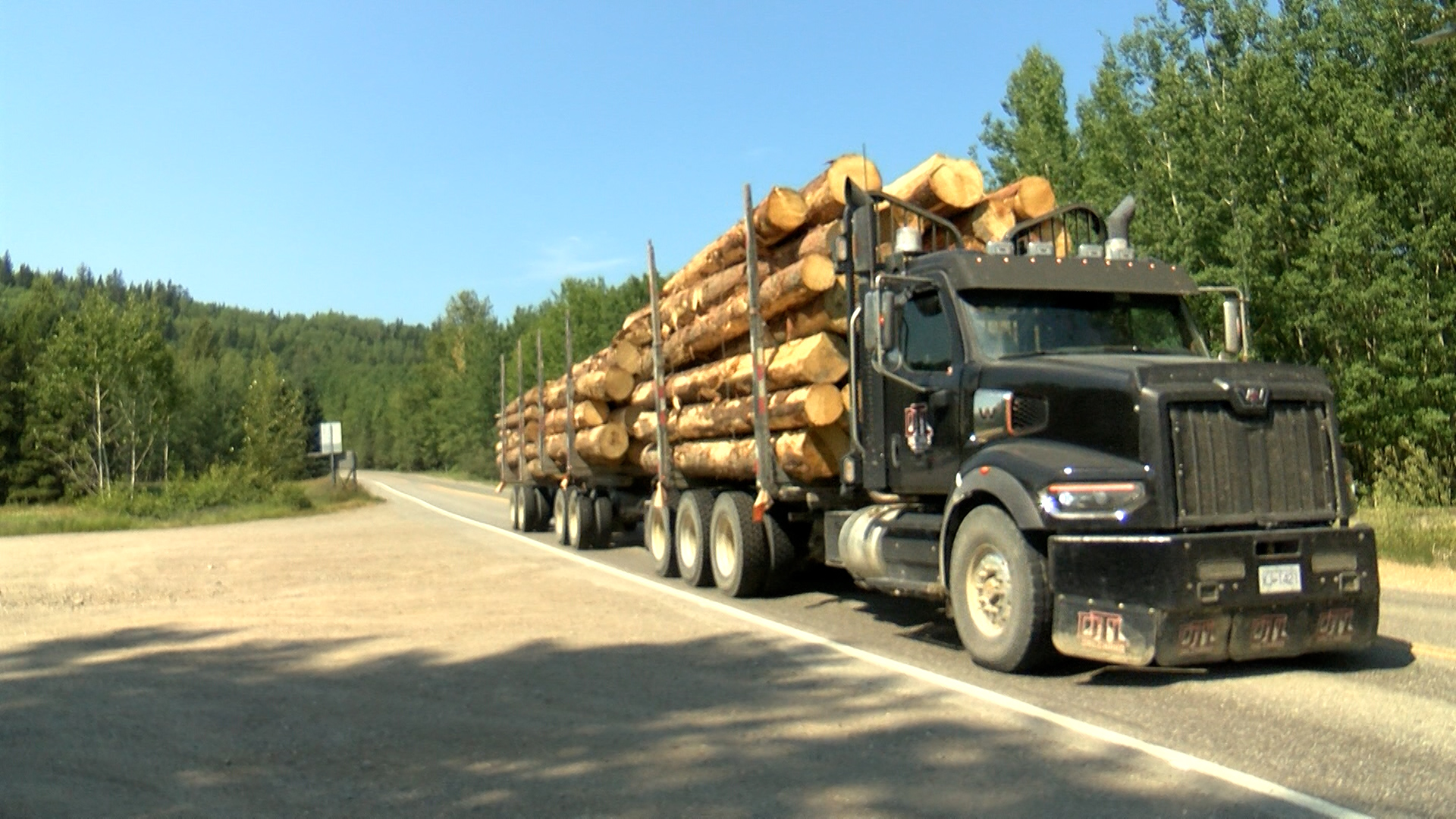
PRINCE GEORGE – Prince George’s forestry sector is facing another significant challenge as new U.S. tariffs add pressure to an industry already struggling with mill closures, fibre shortages and years of trade disputes.

The latest measures come on top of existing softwood lumber duties and are raising concerns about what the added costs could mean for forestry workers, contractors and businesses across northern British Columbia. With Prince George remaining one of the province’s most forestry-dependent communities, the impact of any industry slowdown could be felt throughout the local economy.

Industry leaders warn the timing could hardly be worse.

“We’re in we were already in a bit of a crisis situation, and that has gotten worse because more forest products beyond the lumber duties and tariffs we were already facing, are now facing a 50%, tariff rate as well from the United States,” said Kim Haakstad, President and CEO of the Council of Forest Industries (COFI). “People in Prince George understand very well how integrated our sector is, and we know this is going to be a challenging time for them.”

The forestry sector has long been one of northern B.C.’s largest employers, supporting thousands of direct and indirect jobs. While industry groups are still assessing the full impact of the latest tariffs, there are concerns the measures could further reduce competitiveness for Canadian producers selling into the American market.

In response, both provincial and federal governments have announced support programs aimed at helping forestry workers and businesses weather the trade dispute.

The B.C. government has launched a $20.8 million Canada-B.C. Workforce Tariff Response forestry grant. The program is designed to support approximately 1,400 forestry workers through measures that include worker-retention funding, wage subsidies, skills training, retraining opportunities and community job-creation projects. The initiative will be delivered through the Northern Development Initiative Trust.

Ottawa has also announced a broader $7.5-billion tariff-response package that includes expanded lending options, liquidity supports, market-diversification funding and assistance for businesses facing tariff-related financial pressures. The federal government says forestry companies will also have access to programs designed to modernize operations and find new export markets.

Haakstad says the industry welcomes the quick response from governments but cautions that it remains too early to determine whether the programs will be sufficient.

“You know, we’re pleased to see the federal government acting really quickly to provide supports and enhance enhancements to existing supports, looking at both opportunities to retain workers as well as transition supports, if that’s needed,” he said.

“We’re going to be talking to forest companies across British Columbia to understand whether or not that’s adequate. We don’t know yet. It was just announced this morning, but we know we’re pleased to see something, and we look forward to continuing to work with the federal government on more.”

Premier David Eby says support for workers and businesses will be essential as British Columbia responds to the latest trade measures.

“It is important to see and to hear the leadership at the federal level say that they are in this for as long as it takes and to do whatever it takes to support Canadian workers,” said Eby.

The premier noted that provinces such as British Columbia are particularly vulnerable because of the volume of goods exported to the United States.

Eby also emphasized the importance of reducing Canada’s economic dependence on the American market over the long term.

“We also know that for the long term, the best thing that we can do to respond to these tariffs is to build up our workers, to build up our trade infrastructure and be less dependent on the United States.”

Meanwhile, B.C. Conservative Leader Kerry-Lynne Findlay argues the province needs a stronger voice in trade discussions and a greater focus on protecting resource-sector jobs.

“You cannot ignore our primary resource industries that British Columbia was built on, and that includes forestry, mining, agriculture and fisheries,” said Findlay.

She argues governments should focus on revitalizing those industries while expanding access to international markets beyond the United States.

For many forestry workers in Prince George, however, the immediate concern is what happens next.

The community has already endured years of uncertainty tied to declining timber supply, mill closures and changing market conditions. The latest tariffs add another layer of pressure to an industry that remains a cornerstone of the regional economy.

COFI says forestry associations across Canada are working closely with governments to ensure support reaches communities that need it most.

“Canadian forest companies are now subject to a combined 45% duties on softwood lumber products and 50% duties on a broader range of Canadian forest products,” said Haakstad. “We know that’s going to be very difficult for the industry.”

As the trade dispute continues, workers, businesses and local communities will be watching closely to see whether government support programs can help soften the impact of another major challenge facing one of British Columbia’s most important industries.