To Your Health

What should be in your medicine cabinet?

Oct 6, 2026 | 9:08 AM


PRINCE GEORGE – A well-stocked medicine cabinet can help families deal with everything from aches and pains to unexpected medical emergencies. But according to a local pharmacist, the contents of that cabinet should be tailored to each person’s unique health needs.

Hart Drugs pharmacist Brett Chiasson says there is no universal checklist that works for everyone. Instead, factors such as age, medical history and existing health conditions should help determine what medications and supplies are kept on hand.

“For most people, having common pain relievers available is a good starting point,” Chiasson said.

Products containing acetaminophen or ibuprofen can be useful for treating headaches, fevers, muscle aches and other everyday discomforts. However, Chiasson notes that some people may require specialized medications based on their individual circumstances.

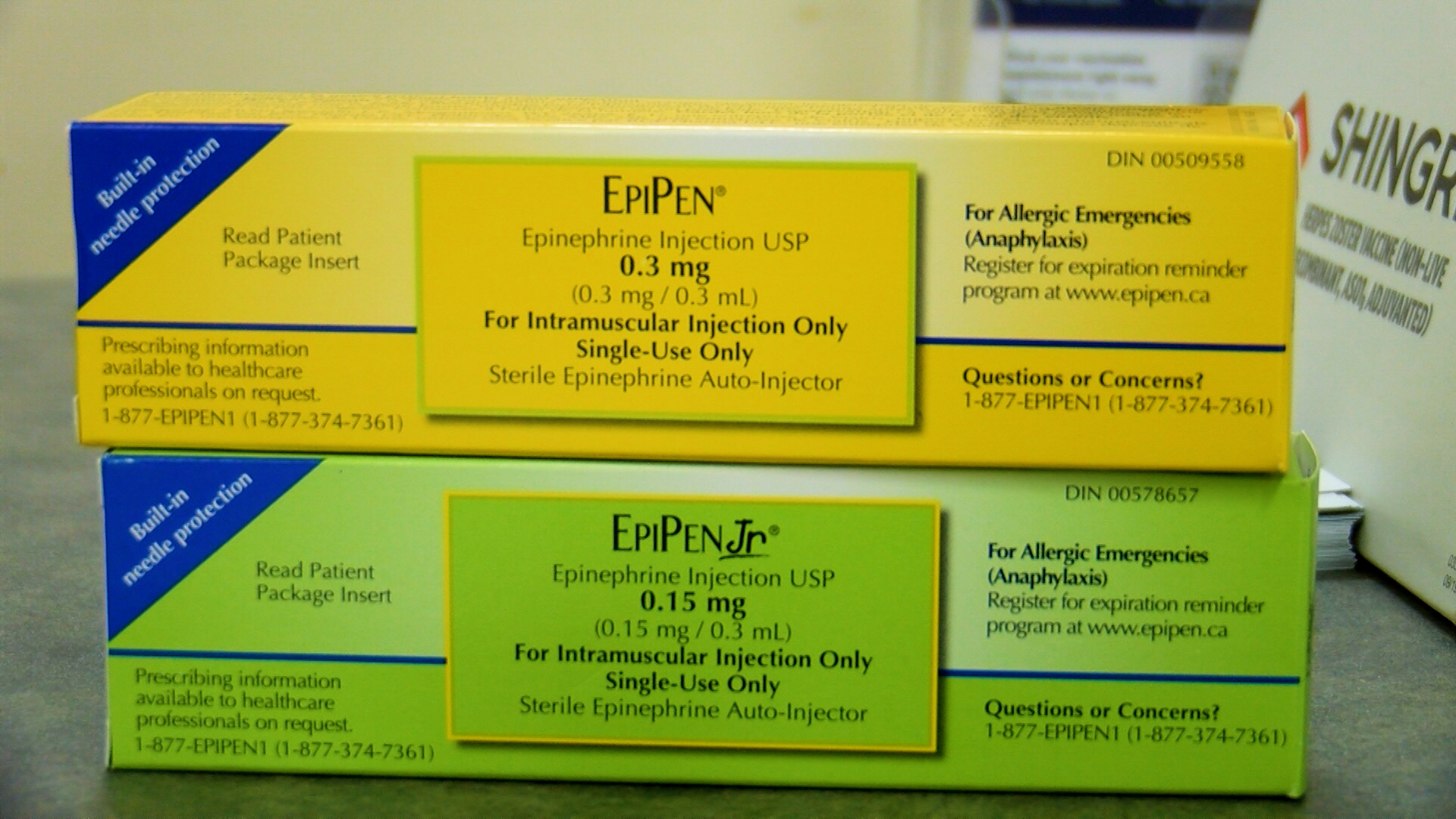
People with severe allergies, for example, should ensure they are prepared in case of an emergency.

“So it kind of depends on the person and sort of what conditions they’re predisposed to. So if someone has, say, a no, not allergy, I would want them to have an EpiPen or two in their medicine cabinet, maybe some Benadryl, something like that,” said Chiasson.

He also points out that individuals who have an increased risk of heart disease may benefit from keeping additional medications available.

“If someone is potentially an increased risk of a heart attack, like, say, maybe an, you know, an elderly patient that might have, like predisposing factors like, you know, high family cholesterol or diabetes or something like that. I would want them to have, aspirin in their medicine cabinet, in case they start experiencing symptoms of a heart attack or something like that,” he said.

For patients who have been diagnosed with stable angina, Chiasson says a physician may recommend keeping nitroglycerin spray nearby. The medication can help open arteries and provide relief when symptoms occur.

Beyond stocking the right medications, pharmacists also recommend taking the time to periodically review medicine cabinets. Expired medications should be safely discarded and replaced when necessary.

Chiasson encourages residents to speak with their pharmacist or healthcare provider if they are unsure about what should be kept at home. While pain relievers and allergy medications are common additions, the best medicine cabinet is one that reflects an individual’s specific health needs and ensures they are prepared when unexpected situations arise.