Municipal Turnout

Record advance voting tests turnout

Oct 16, 2026 | 4:35 PM


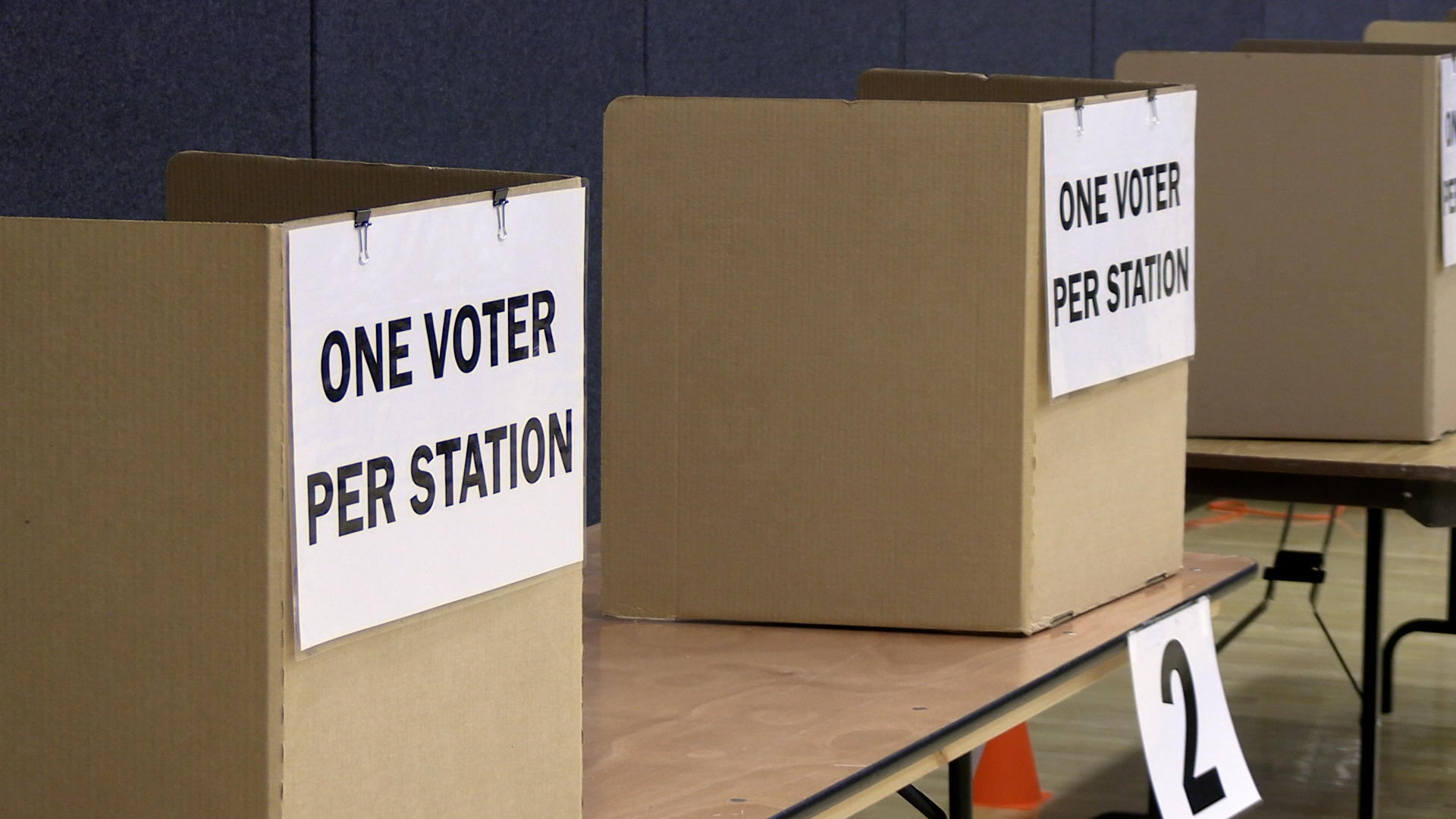
PRINCE GEORGE – Record advance voting numbers in Prince George are raising hopes that more residents will cast a ballot this election, after fewer than 30% of eligible voters participated in each of the city’s last two municipal elections.

A total of 5,909 ballots were cast during advance voting, according to City of Prince George Chief Election Officer Ethan Anderson. That included a record 2,092 ballots on Thursday, the final day of advance voting.

“I think voter interest is really high,” Anderson said. “I think that we’ve done a good job at communicating the action out to, local residents. I think the media has done a really good job of, also communicating out. And then there’s the provincial election as well, which, I can’t point to it, but it could be affecting voter turnout as well.”

The early numbers stand in contrast to Prince George’s recent history of relatively low municipal voter turnout.

In 2018, 13,184 people voted, representing 24% of 54,852 eligible voters. Four years later, turnout increased to 15,310 voters, or 26.27%.

That means roughly three out of every four eligible voters did not cast a ballot in either election.

UNBC Political Science Lecturer Jason Morris says that reflects an interesting contradiction in Canadian politics, because municipal governments are responsible for services residents regularly encounter.

“There’s a classic irony of Canadian democracy in that the level of government that impacts people the most tends to get the least paid attention to. You think of, services that cities provide like, local roads and public safety concerns and schools and, parks and playgrounds and transit that, voters at citizens face every day. They don’t tend to pay as much attention. We tend to pay more attention to federal and provincial issues.”

The lower turnout can also increase the influence of each individual voter.

Morris said local races can sometimes be decided by dozens or hundreds of votes, rather than the thousands that can determine provincial or federal races.

“Then when you add lower voter turnout to that, your impact as a citizen is double or triple in terms of the power or weight or influence of your vote,” Morris said.

Despite this year’s record advance numbers, Morris cautions they do not necessarily mean Prince George will see a significant increase in overall turnout.

“I’d love to say that advance voter turnout signifies a much higher voter turnout, but it remains to be seen. It can also be because over the last decade or so, those that are running the elections have provided a lot more opportunities for people to vote.”

For those who have not yet voted, Anderson says eight polling stations will be available on election day and residents are not required to vote at a specific location.

Voters need two pieces of identification, with one proving identity and another proving residency. Anderson said the identification does not necessarily need to include photo ID.

The final turnout will determine whether Prince George’s record-setting advance numbers represent a broader increase in voter engagement or simply a change in when residents choose to cast their ballots.