bcwildfire

Wildfire smoke threatens local air quality gains

Oct 27, 2026 | 2:47 PM


PRINCE GEORGE – According to Prof Peter Jackson, Prince George residents have seen a long-term drop in fine-particle pollution. However, he warns that more frequent wildfire smoke could reverse the progress made in reducing local pollution.

Jackson, from the Department of Geography, Earth and Environmental Sciences, says PM2.5 levels have dropped significantly over the past 20 years.

He adds that these small particles (PM2.5) harm human health. His data show a long-term trend, but not steady year-to-year improvement or a complete lack of smoky periods.

Particulate matter (PM2.5) levels have steadily declined, and these particles affect human health.

Jackson credits the local improvement to better control of pollution sources, including new technology at industrial sites and the closure of some facilities in the Prince George airshed.

The airshed refers to the area where local pollution is generated and where smoke from other places can drift in.

“So we’re improving the locally generated particulate matter, which has a big impact on human health.”

Industry is just one part of the picture. Jackson lists pulp mills, sawmills, and oil refineries as industrial sources, but he also points to many activities happening throughout the community.

He says driving, home heating, wood burning, backyard fires, barbecues, restaurant cooking, trains, trucks, and road dust all add particles to the air.

Many local pollution sources exist besides factories. Jackson notes that better management of these sources in the airshed has lowered locally generated particles.

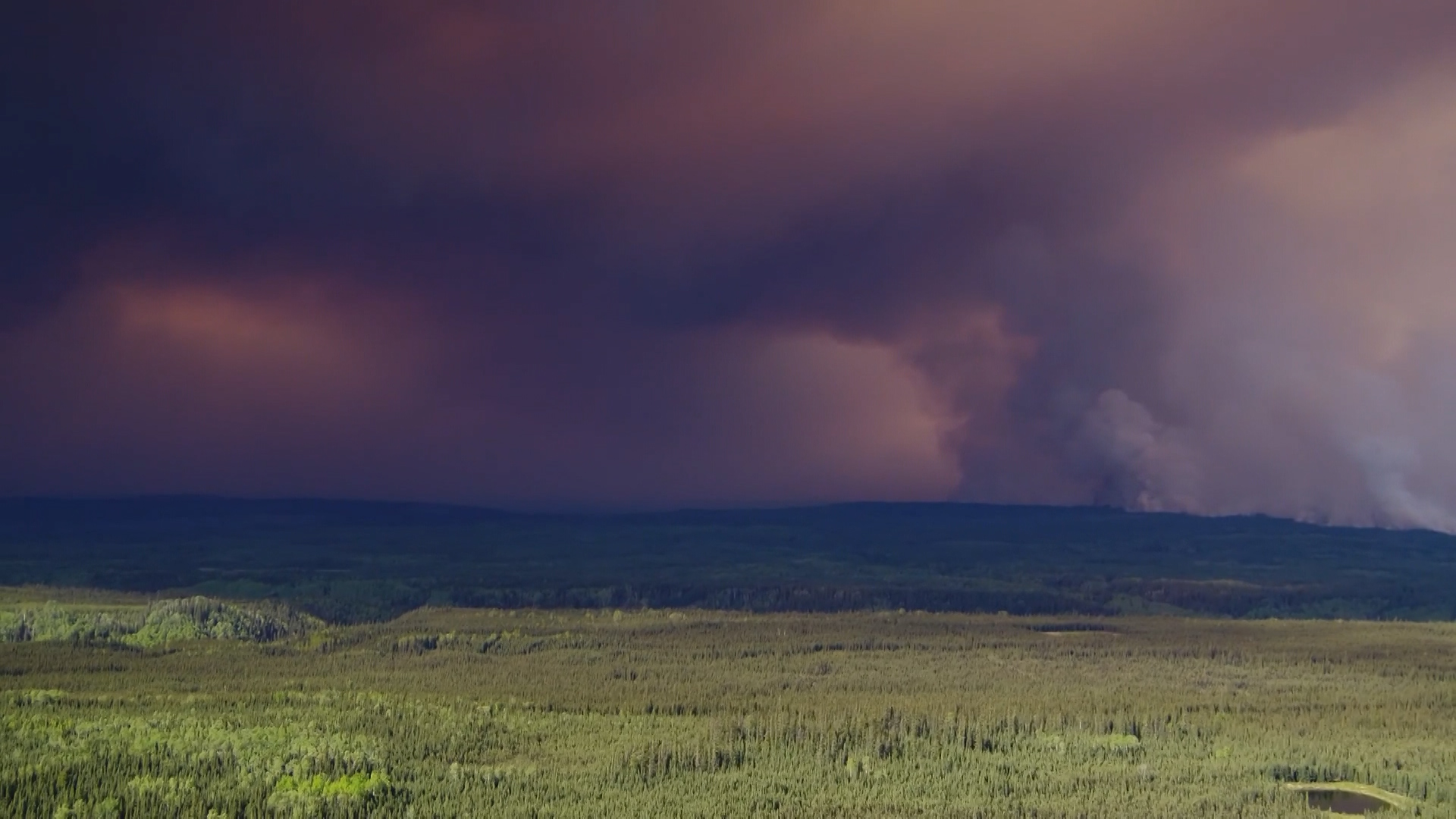
Wildfire smoke is a separate issue because it can come from outside the airshed. Winds can carry smoke into the community, adding to the particles already produced locally.

We’re managing our local sources better, and the levels from those sources are dropping. At the same time, wildfire smoke is becoming more common.

Jackson says thick smoke can drive particle levels very high for a few days, or even a few weeks in a bad year. These events can also raise the annual average.

He links the rise in wildfires to climate change, saying that hotter summers and more frequent droughts make fires much easier to start.

The impact changes from year to year. Jackson notes that Prince George does not get thick wildfire smoke every summer, and conditions can shift a lot from one year to the next.

It changes a lot from year to year because of the weather, and some years are affected by wildfire smoke while others are not.

Despite these ups and downs, Jackson says the overall trend in particle levels in Prince George neighbourhoods is still going down.

For people living in Prince George, the findings show two things happening at once: local pollution is going down over time, but the threat from smoke coming from other places is growing.

Jackson warns that if wildfires keep getting more frequent and severe, they could erase the local progress we’ve made. He doesn’t expect every summer to be bad, but he thinks smoke will stay unpredictable, with some years much worse than others.