More cellular coverage coming to the Highway of Tears
-
Share on Facebook
-
Share on Bluesky
-
Share on X
- Copy Link
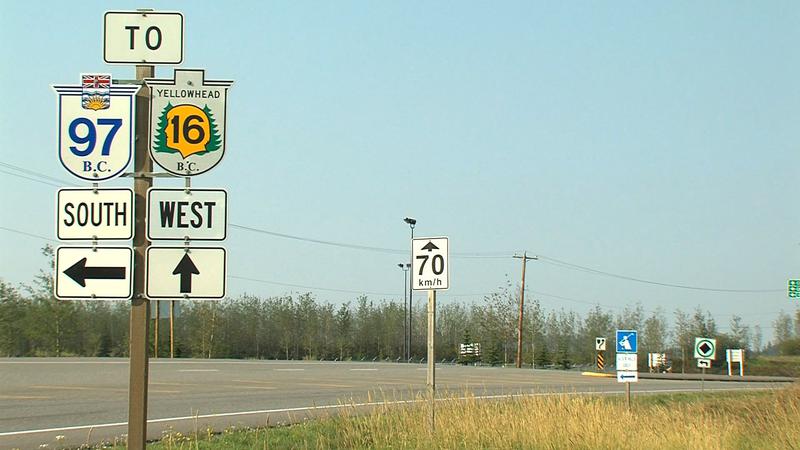
NORTHERN BC- Work on the first of 12 new cell towers along Highway 16 is now underway. The towers will be built between Prince George and Prince Rupert, otherwise known as the Highway of Tears. The project will provide an additional 252 km of cell coverage along the road, which has been the site of numerous murders.
Rogers Communications says this will close key gaps to ensure continuous coverage along all 720 km of the corridor, establishing a safer environment for travel and fulfilling one of the 33 recommendations in the 2006 Highway of Tears Symposium report to enhance safety for Indigenous women and girls. Rogers will provide coverage to three provincial highway rest stops at Boulder Creek, Basalt Creek and Sanderson Point.
“It means the world to me and our women to connect with others and keep in touch, especially on this highway – anything can happen at any given time,” said Gladys Radek, Missing and Murdered Indigenous Women and Girls activist. “This tower and project will bring a lifeline to all of us who travel along Highway 16 regularly and will bring a sense of safety and security that will help us prevent future tragedies.”
Rogers has sponsored the Two Sisters Totem poles as part of the Highway of Tears Commemoration and Healing Totem Pole series -a project initiated by MMIWG families and the Indian Residential Schools Survivors Society (IRSSS). Memorial Totem Poles will be placed at each end of the Highway of Tears – one in Prince George and one in Prince Rupert and will offer two safe places where families can commemorate and honour their lost loved ones.
