RAPID TESTING PROGRAM

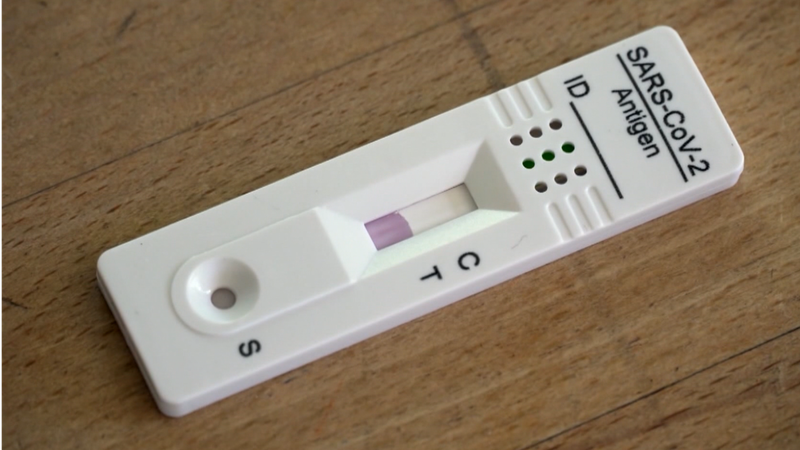
Province unveils rapid testing program; opposition calls them out for excluding certain groups

Jan 7, 2022 | 6:23 PM

PRINCE GEORGE—Dr. Bonnie Henry announced today the province’s plans to get rapid tests to British Columbians. But, Shirley Bond, Intermin Leader of the Opposition Party is criticizing the province for not laying out a plan for everyday use.

Minister Adrian Dix says the province can expect 18 million rapid tests through the end of February, with some arriving as early as next week. Henry added that there are several priority groups that will receive it.

Those groups include those in long term care, testing sites, rural and First Nations communities, people over 55, and staff members in schools.

The health officer emphasized that she wants to make sure kids return to school safely starting on Monday.

“They’re used as a red light to help us understand if they’re positive that someone has covid or if covid is in an area or a community. They are not being used as a greenlight to allow people to socialize as we’ve seen being used in other places.” said Henry.

However, there is no plan laid out right now on how rapid testing kits will be available to the public for at home use just yet.

The BC Liberals have called out the government for excluding groups that need it immediately—including the families of children who will be attending school.

“If you look across the country, we have other jurisdictions, including Saskatchewan, Manitoba, Alberta, all of them talking about how school families will have access to rapid tests. That was not clear today, so again we find ourselves again in British Columbia looking at other jurisdictions that have much more expansive programs than we do.” said Bond.

Dr. Henry said among those priority group, testing should be used for people who are symptomatic, adding that there are limited resources.

For those who are fully vaccinated and have mild symptoms, the PHO says a test is not needed. Citing that it’s “very likely” they may have COVID-19.

“Stay home and away from others for five days, and then you can go about your business and you longer have a fever and symptoms.” said Henry.

In Northern Health, 79% of people are fully vaccinated. But for many, the efficacy of the doses is lowering and in many communities, less than a third have a booster shot.