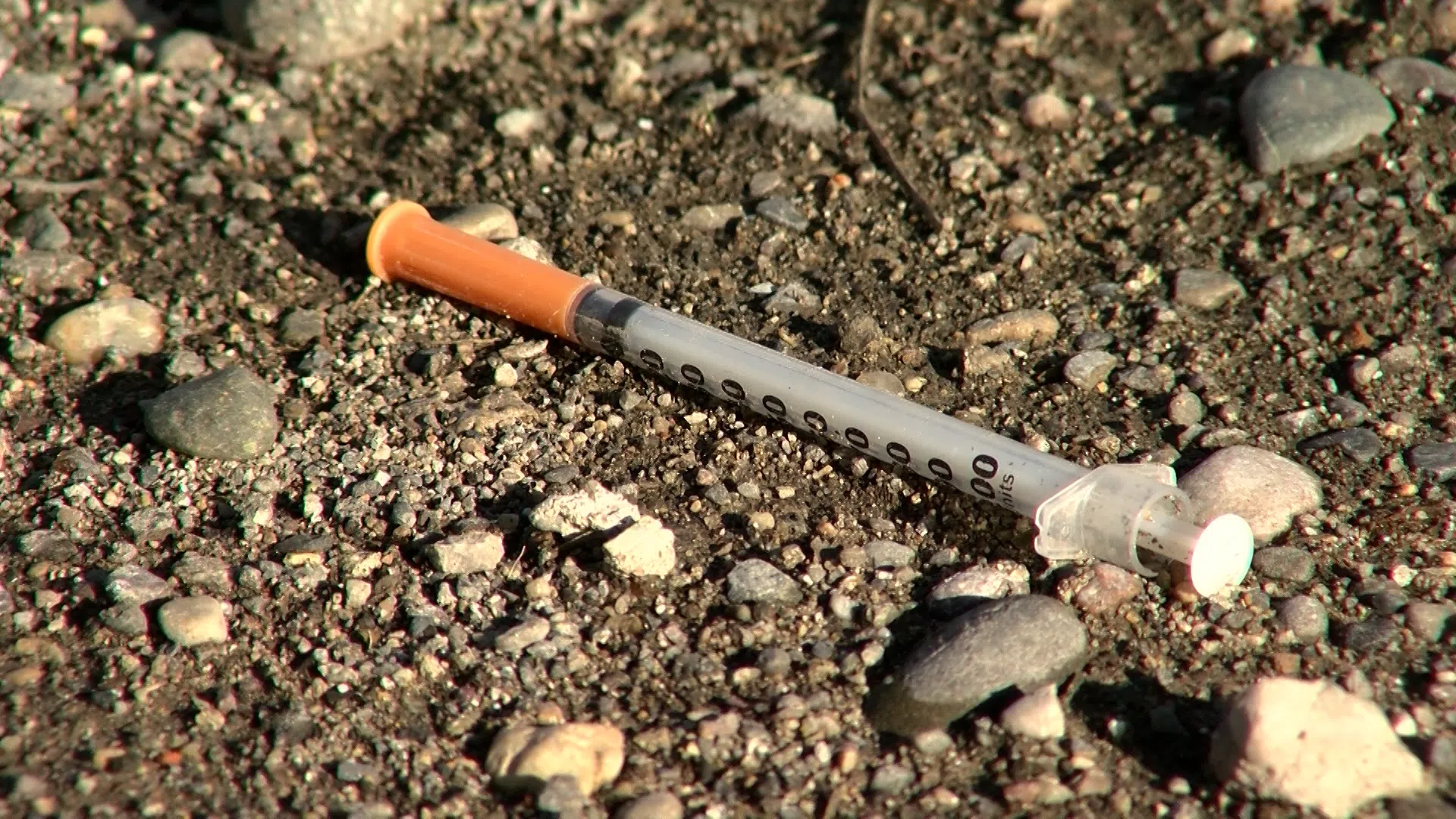
Many support the B.C. Government's decision to end the drug decriminalization pilot project on January 31, but critics and advocates are both raising concerns about how the government is addressing the drug crisis
Drug decriminalization

Advocate warns of an “influx of deaths” as drug decriminalization set to end

Jan 15, 2026 | 4:45 PM


PRINCE GEORGE – The B.C. Government announced on January 14 that it will be ending its controversial drug decriminalization pilot project on January 31, a move that many across the province support. However, one local advocate has concerns that this could lead to significant consequences for thousands across the province.

“People are going to die, there’s going to be an influx of deaths. We’ve already seen just under 600 deaths in Prince George in the last decade, over 17,000 deaths in British Columbia,” said Michelle Miller, a member of the Broken Hearts of Fentanyl.

B.C. Health Minister Josie Osborne says the pilot project “hasn’t delivered the results that we hoped for,” noting the project’s stated goal was to “reduce stigma and fear of criminal prosecution that prevents people from reaching out for help, including medical assistance.” While Osborne says the government didn’t see enough people reach out to help, Miller argues cancelling the pilot project will make the problem far worse.

“I think Josie isn’t following medical evidence that data has been put together and proof that these pilot projects did work and they saved lives. If we’re going to criminalize people and put them back in the closet behind a closed door, we’re going to see so many more people dying,” Miller said.

As far as accessing treatment is concerned, this is a big point of criticism for the Official Opposition’s critic of Mental Health, Addictions, and Housing Supports Claire Rattée, as she says the government hasn’t made treatment accessible enough.

“We’ve got months long waitlists and we don’t have enough access to treatment beds because there aren’t enough beds. That’s the first place that the government needs to focus on, and then start putting in the other steps to make it so that people want to access the treatment,” Rattée said.

“They’ve fallen so far behind in investments in mental health support and treatment beds and access. It’s just unacceptable, and at this point, we still have fewer than a thousand publicly funded treatment beds in this province,” she continued.

Rattée says ending the pilot project is a good thing, adding “it should have happened a long time ago,” but emphasized that ending the pilot project without having treatment ready doesn’t lead to the type of change she was hoping to see.

“Treatment was never criminalized, it wasn’t stigmatized. I know that because I experienced it myself. I went to treatment for drug addiction in 2011, and I went for the exact opposite reason of that, it was because I knew that if I stayed on the streets and I continued to use drugs the way that I was, that I was at much higher risk of it being criminalized, I was a much higher risk of harming myself, harming others, potentially dying of overdose, all of these things,” Rattée said.

“The only thing that this failed experiment actually managed to achieve was it managed to make drug use normalized. It removed any kind of accountability from it, and it increased public disorder and crime and made British Columbians feel less safe and more uncomfortable,” she continued.

As far as being able to access that treatment is concerned, Miller believes that ending the pilot project will significantly dissuade people from seeking help they need.

“People are going to be in fear of going to agencies to get their drugs tested now. They’re going to be in fear of going to overdose prevention sites and using in front of healthcare professionals,” Miller said.

Rattée, on the other hand, believes that ending the decriminalization project could lead to more people seeking treatment, but the lack of treatment available makes it an unavailable option for many.

“I do think that once it’s not so normalized and there is a sense of accountability put back in place, that yes, we will see more people wanting to go to treatment. But like I said, you can’t do one without the other,” Rattée said.

Lisa Lapointe, B.C.’s former Chief Coroner, estimates 225,000 people in the province are currently on substances, and Miller worries about what the ripple effects will be for all these people and their surrounding friends and family if they are to find themselves suddenly being criminals.

“They’re going to end up losing their jobs and have barriers to getting jobs now because they’ll have criminal charges on them, potentially losing their homes because they can’t afford to pay their rent or their mortgages or their vehicles, and possibly getting their kids taken away if they’re charged,” Miller said.

The three-year pilot project was done in agreement with Health Canada, and it will end on January 31 after a barrage of critics blaming it for fuelling public disorder.