2026 federal budget

Forestry gets a boost with federal budget

Nov 5, 2026 | 4:45 PM


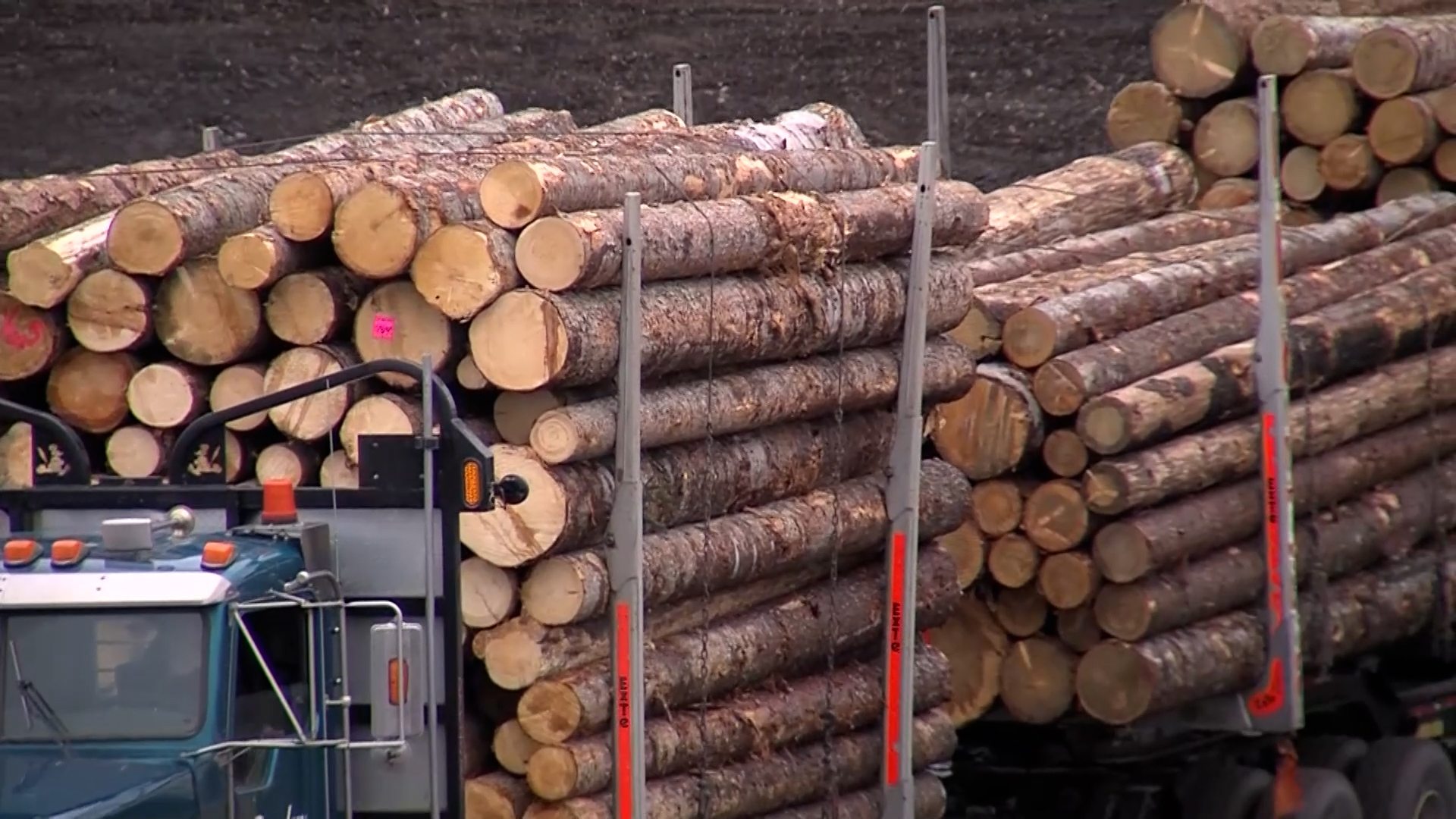
PRINCE GEORGE – The federal government is promising billions of dollars in new support for Canada’s struggling forestry sector as part of Budget 2026, with investments aimed at modernizing mills, strengthening fibre supply and developing higher-value forest products.

The measures could have significant implications for Prince George and communities across northern B.C., where forestry remains a major employer and economic driver.

The federal budget proposes $6.5 billion in forestry-related investments over six years beginning in 2027-28. That includes $500 million through Natural Resources Canada to strengthen fibre supply chains, improve forest management and introduce new technology and practices. Another $2 billion would help forestry businesses modernize facilities and equipment, improve productivity and expand into higher-value products, while supporting research and development

The largest commitment is $4 billion for a new Forestry Sector Accelerator through Export Development Canada. The money would support investment in large-scale facilities and major transformations of existing operations, including biorefineries, biofuel production and other innovative forest products.

The federal government says the industry is being squeezed by U.S. tariffs, changing global markets and shifting demand for wood products. According to the budget, Canada’s forest sector contributed $29.7 billion to the country’s GDP in 2025 and employs nearly 200,000 workers.

During his budget speech, Finance and National Revenue Minister François-Philippe Champagne singled out B.C. forestry workers while promising continued federal support for industries facing economic uncertainty.

But Charles Scott, an instructor with the University of Northern British Columbia School of Business, says federal dollars alone cannot solve all of the industry’s challenges.

Scott says B.C. has considerably less timber available to harvest than it once did, while uncertainty surrounding provincial decision-making has created additional challenges for companies trying to access the available fibre.

He argues the federal government can provide money to help the sector transition and buy time, but some of the fundamental issues affecting access to timber will ultimately have to be addressed at the provincial level.

The forestry commitments also come as Ottawa directs more resources toward other priorities.

The Budget indicates Canada has reached NATO’s target of spending two per cent of GDP on defence and has a funded plan to reach four per cent by 2030 as the country increases military and security spending.

Health care is another area competing for federal dollars. The budget cites a $1.2-billion federal investment announced in October to extend support for mental health, addiction and home care.

Scott says that changing spending environment will force Ottawa to make difficult decisions about which programs grow and which ones receive less.

“We have an economy that is based on providing partners that up until now, have proven to be reliable partners that think strategically. Both of those are done. So as we face more economic dislocation and more need to defend ourselves, other parts of the government are going to have to be less because we will not support the taxes necessary to pay for everything.”

For northern B.C., however, Scott also sees potential economic opportunity beyond forestry. He points to the region’s critical minerals, mining resources and its position along potential energy corridors to the Pacific.

With Ottawa putting billions toward transforming the forest sector while increasing spending on defence, health care and major economic projects, Budget 2026 signals considerable federal investment.

For Prince George and northern B.C., the question will be how much of that investment reaches the region and whether it is enough to help an industry facing challenges that extend well beyond Ottawa.