Hiking in bear country

AdventureSmart urges preparation before entering grizzly country

Nov 5, 2026 | 3:06 PM


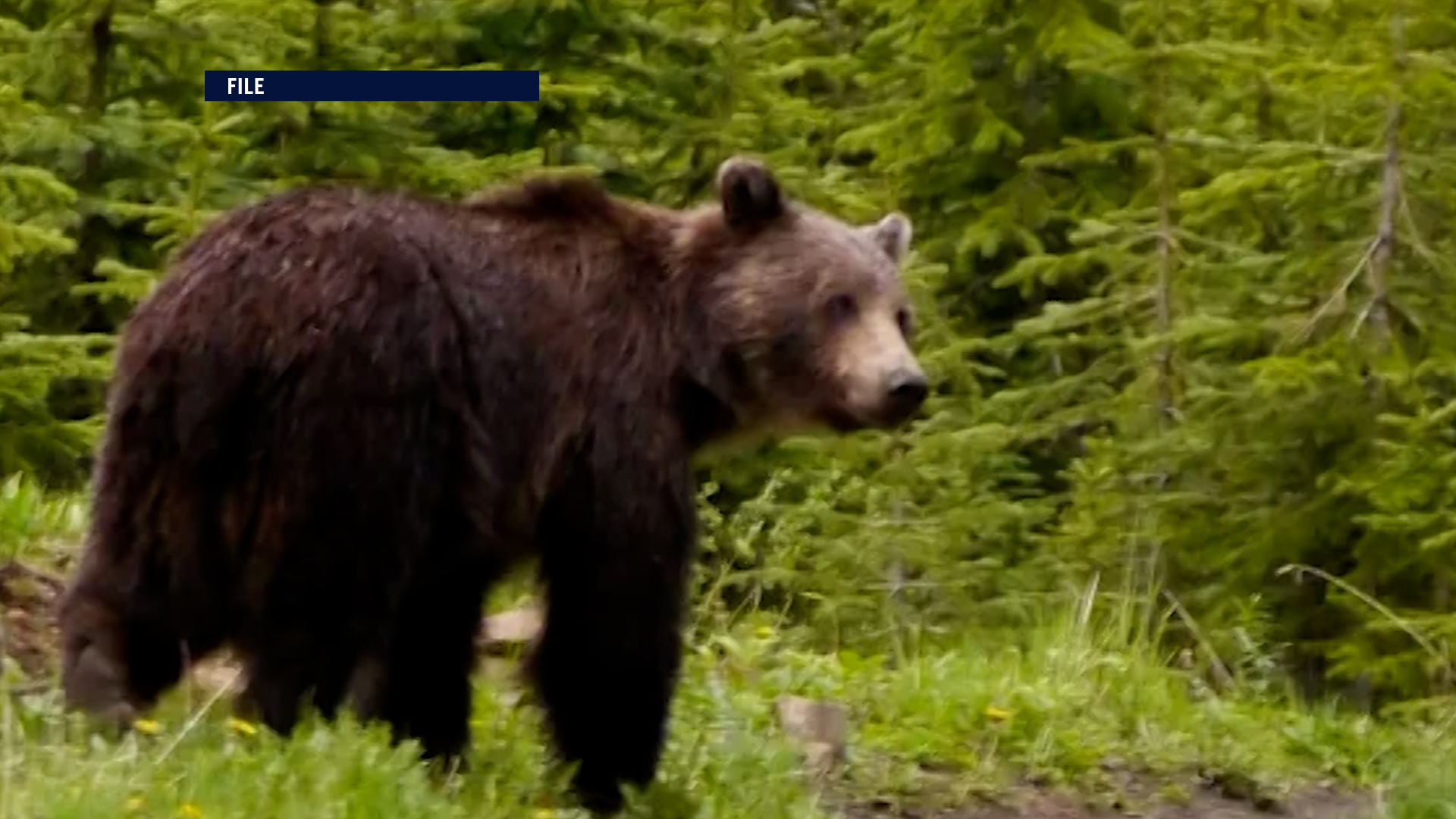
PRINCE GEORGE – A suspected fatal grizzly bear attack in Bella Coola has renewed focus on how hikers can prepare before entering bear country.

Jenny Balcarras and her daughter, 20-year-old Selah Reed, were reported missing before their remains were found in the west trail area of the Snooka trail system. Their bodies were discovered about 150 metres apart on Monday and Tuesday.

Police have deployed additional officers to Bella Coola. Mounties are escorting students to school and conducting additional night patrols. Authorities have also set a voluntary 8 p.m. curfew while the search for the bear or bears continues. The B.C. Conservation Officer Service has not determined if more than one bear was involved.

The deaths follow another grizzly attack involving a group of elementary school students and teachers in the same central coast community about a year ago.

Sandra Riches, executive director of BC AdventureSmart, says hikers should research their destination before heading out. This means checking for recent bear activity or advisories in the area.

AdventureSmart also recommends making noise in areas with limited visibility and staying alert to your surroundings.

“The wind, the weather, your location, your area in that backcountry really plays a role in this,” Riches said.

Riches says you should keep bear spray somewhere you can reach it right away. Hikers should also know how to use it and practice when possible.

“Don’t forget to travel in groups and give wildlife plenty of space wherever you are in the backcountry,” she said.

Riches says people should never approach a bear or run away from one. She suggests checking WildSafeBC resources to learn how to respond to different types of encounters.

Trip planning is another part of AdventureSmart’s guidance.

Riches says hikers should always leave an itinerary with a trusted emergency contact before every trip, no matter the season, activity, or group.

The plan should list who is travelling, the planned destination, and the intended route. It can also include the group’s equipment, clothing, experience, transportation, and any alternate routes.

Hikers should let their contact know when they expect to return. Riches says the contact should try to reach the group if they are overdue. If they can’t be reached, the itinerary can be given to police through 911.

Recommended equipment includes communication devices, extra food and water, a light source, and extra clothing. Riches says hikers should also consider seasonal, personal, and activity-specific gear.

AdventureSmart calls planning, training, and taking essentials its three T’s.

Riches says planning takes some effort, but it can give police and search and rescue teams important information in an emergency.

“So, a little bit of a process, but worth its weight in gold,” she said.

This guidance is general and does not address the specific circumstances of Balcarras and Reed’s deaths. The investigation into the suspected attack and the search for the bear or bears are still ongoing.