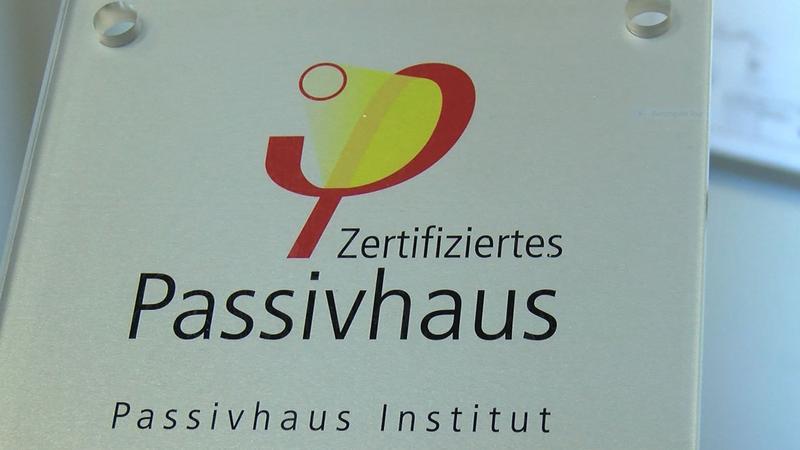
UNBC is home to 2nd Passive House
-
Share on Facebook
-
Share on Bluesky
-
Share on X
- Copy Link
PRINCE GEORGE – It was a standard for building that came out of Austria in the late 1990s. It’s called Passive House design. And it aims to make a building as energy efficient as possible. And the newest building on UNBC’s campus is exactly that.
“There are a number of things that make a house passive,” explains David Claus, Director of Facilities Management at UNBC. “Lots of insulation in the walls. You end up with pretty thick walls. These ones here are just shy of two feet thick. If you are into R-Values, they’re about R-80. And then you need really good windows. You want your windows not to leak air. But you also want windows that let light in but don’t let heat out.”
But, the key to a passive house is making sure it is completely sealed, and that requires a lot of different membranes and sealants to get it that way. But that comes with a catch.
“Us humans, we like to be able to breathe. So then we need mechanical ventilation. We need to bring in outside air so we have fresh air in the building. And with a passive house, what you do is have a really efficient heat recovery system. So, as you’re bringing in that fresh air from outside, you’re taking stale air from inside, recovering that heat and putting that heat into the fresh air.
