Time Change Reaction

Permanent time brings new routine

Nov 3, 2026 | 4:55 PM


PRINCE GEORGE – The twice-a-year ritual of changing the clocks is coming to an end in British Columbia, but that does not mean the changing seasons will stop affecting how people work, travel and live.

With the province staying on permanent daylight saving time, winter mornings will become darker than British Columbians have been accustomed to under the previous system.

For local rancher Tom Dewaal, however, keeping the same time year-round brings something important to his operation: consistency.

On a ranch, Dewaal says the working day is dictated as much by animals and daylight as it is by the clock. Cattle establish routines, including when they expect to be fed, and do not necessarily adjust simply because people move their clocks ahead or back an hour.

“For us it’s consistency. It’s consistently always the same hour. It might not have the same amount of daylight, but it’s the same hour. And the animals respond. They respond well to being on the clock,” Dewaal said.

That does not mean every job on the ranch can remain on exactly the same schedule.

As sunrise comes later during the winter, Dewaal says visual pen checks will have to be adjusted because inspecting the health of cattle in corrals requires daylight.

Still, he believes ending the clock change will ultimately work well for his operation, while acknowledging the experience may be different for people heading to conventional jobs.

“t’s a good thing for us. I can see for some people it might not be a good thing. Lots of people don’t like to get up in the dark and go home from work in the dark and I understand that because I did that for lots of years myself,” Dewaal said.

Those darker mornings are also drawing attention to road safety.

Trace Acres, spokesperson for Road Safety at Work, says the transition will be different from the abrupt clock changes drivers previously experienced. Instead of waking up to a sudden one-hour difference, people will gradually encounter later sunrises as winter approaches.

But Acres says darkness adds another challenge when combined with the conditions northern B.C. drivers already encounter during winter.

“There are certain risks associated with driving in the dark as we know. You combine those with winter conditions and that’s what’s probably the most concerning. A lot of people will be driving to work or to school or starting their shifts” Acres said.

Snow, ice, rain, fog and reduced visibility can already make winter driving difficult. Less morning daylight means motorists could encounter those conditions in darkness more frequently.

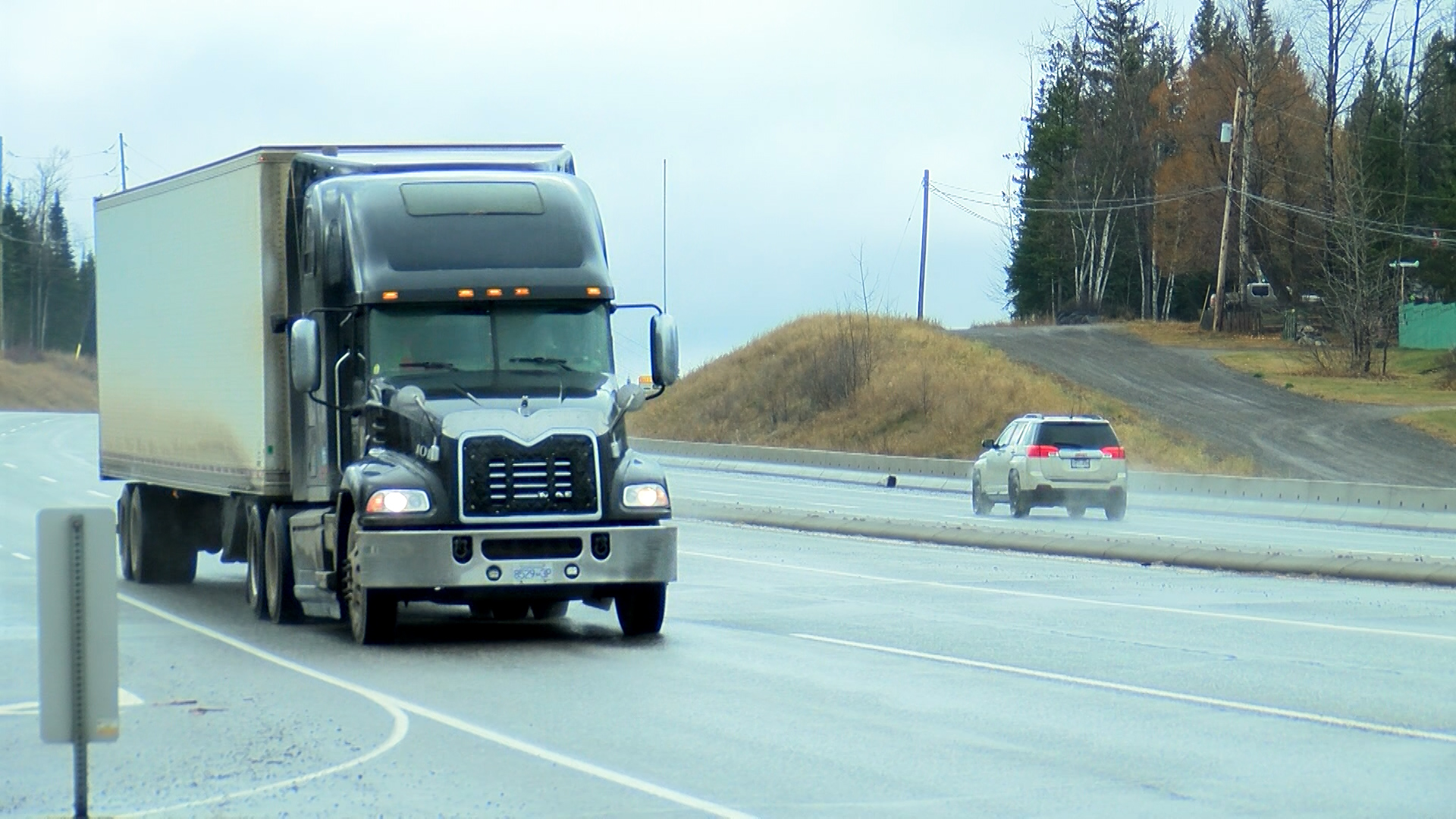
The change could also affect people whose jobs put them behind the wheel or alongside roads early in the morning. Acres pointed to truck and delivery drivers, construction workers and garbage and recycling collectors as examples of workers who may spend more of their shifts in darkness.

He says employers should consider whether driving tasks can be adjusted to times when workers are more alert and conditions are more favourable.

Drivers can also prepare by making sure headlights and taillights are fully on, windshields are clear of frost or fog and windshield wipers are in good condition.

For British Columbians, the clock may now remain consistent throughout the year, but daylight will not.

From feeding cattle to starting a morning commute, the end of the time change is creating a new routine, one that people will experience differently depending on where and how they spend their day.